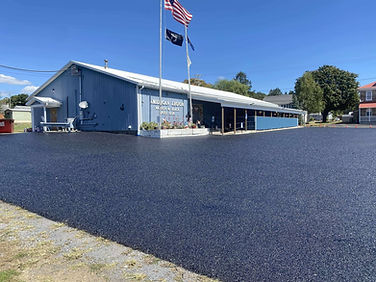
UV Protection for Asphalt That Lasts Longer
A driveway can look sound in spring and noticeably gray by late summer. That change is not just cosmetic. UV protection for asphalt matters because sunlight gradually dries out the binders that hold the pavement together. As those compounds are lost, asphalt becomes less flexible, more brittle, and more likely to crack under traffic, water, and central Pennsylvania temperature swings.
For homeowners and property managers, the goal is not simply to make asphalt black again for a season. It is to slow the aging process before minor fading and surface dryness become cracking, unraveling, and costly repairs. The right maintenance approach protects the surface while helping preserve the pavement beneath it.
Why Sunlight Is Hard on Asphalt
Asphalt contains aggregates held together by an asphalt binder. When pavement is new, that binder has oils and compounds that help it remain dark, flexible, and resistant to everyday wear. Sunlight, oxygen, rain, and changing temperatures steadily wear those properties down.
UV exposure is especially damaging on open driveways and parking areas with little shade. Over time, the surface turns from deep black to charcoal gray. That faded look is a visible sign of oxidation. The asphalt is losing flexibility, which means it has less ability to move with seasonal expansion and contraction without developing cracks.
In central Pennsylvania, UV damage rarely works alone. Summer sun dries the surface, then rain finds small openings. Winter freeze-thaw cycles expand that trapped moisture. Road salt, vehicle fluids, and regular traffic add more stress. A neglected driveway may still be usable, but deterioration can accelerate once the binder is no longer doing its job well.
UV Protection for Asphalt Starts With Rejuvenation
Many people think asphalt sealing is only a dark coating placed on top of the pavement. Ordinary surface-only sealers can improve appearance temporarily, but they do not all provide the same level of preservation. A coating that sits mainly on the surface may wear away, fade, or leave a flatter, duller black appearance as it ages.
A premium asphalt-based rejuvenating sealer takes a different approach. It is designed to penetrate the asphalt rather than simply mask it. By soaking into the upper pavement surface, it helps restore lost compounds in aging asphalt while creating protection against UV exposure, oxidation, water intrusion, road salt, fuel spills, and surface unraveling.
That distinction matters when the pavement is faded but still structurally worth protecting. The material supports the existing asphalt instead of treating it like a surface that only needs paint. The result is a deeper black finish with a fresh paved sheen, along with protection that is tied more closely to the condition of the pavement itself.
Water-based products may have a place on certain surfaces and budgets, but they are not equivalent to a premium asphalt-based rejuvenating sealer. Their finish can look dull black and may sometimes show blue, brown, or white hues. More importantly, a surface coating does not necessarily replenish what UV and oxidation have taken from the asphalt.
What UV Damage Looks Like Before Major Cracks Appear
Waiting for large cracks is an expensive way to manage a driveway or parking area. UV-related aging often shows up first in smaller, easier-to-miss signs. A surface that looks gray, dry, or rougher than it did a few years ago is often telling you that the binder is oxidizing.
Watch for fading in the areas that receive the most direct afternoon sun, loose sand-like aggregate along the edges, and a rough texture where the surface once felt tight and smooth. Small hairline cracks can also signal that asphalt is becoming brittle. These conditions do not always mean replacement is necessary. Often, they mean the pavement needs professional attention before water reaches deeper layers.
For commercial properties, faded pavement can also affect the way customers perceive the site. A clean, deep black parking surface gives an immediate impression of care and maintenance. That visual improvement is valuable, but it should come with meaningful protection, not just a short-lived color change.
Timing Matters More Than a Perfect Calendar Date
There is no single month that fits every asphalt surface. The best time for protection depends on pavement condition, weather, traffic, and how much direct sun the area receives. In general, it is smarter to treat asphalt while it is faded and aging but before cracking and deterioration become widespread.
A newer driveway may not need immediate sealing. Fresh asphalt needs time to cure, and applying material too early can be counterproductive. On the other hand, an older driveway that has gone gray and dry should not be ignored simply because it still has only a few cracks.
Preparation also affects the result. Dirt, vegetation, loose debris, and untreated cracks can keep a sealer from performing as intended. A professional evaluation should look beyond color to assess the condition of the surface, identify areas where water is collecting, and determine whether the asphalt is a good candidate for rejuvenating protection.
Protection Works Best With Good Surface Habits
A high-quality sealer is a major part of asphalt preservation, but everyday care still matters. Keep leaves, standing water, and debris from collecting along driveway edges. Clean up oil, gasoline, and other vehicle spills promptly when practical. Avoid turning the steering wheel sharply while a vehicle is stopped, particularly during hot weather, because that can scuff and stress softened asphalt.
Drainage deserves special attention. Water is one of asphalt's biggest enemies, and UV exposure makes the problem worse by drying and weakening the binder first. If water regularly sits in the same area after rain, it can work its way into cracks and speed up deterioration. Addressing that pattern early helps protect the investment made in sealing.
Heavy loads are another factor. A residential driveway that supports passenger vehicles will age differently than a commercial lot with frequent delivery traffic. The same is true for a shaded driveway versus one that faces direct sun all day. Professional recommendations should reflect those real conditions, not a one-size-fits-all schedule.
A Better Finish Should Also Mean Better Preservation
The appeal of newly sealed asphalt is easy to understand. A rich, even black surface can make a home look sharper and help a commercial property feel better maintained. But appearance should be the visible outcome of a preservation plan, not the whole plan.
Cove Asphalt Sealing uses a premium asphalt-based rejuvenating sealer for homeowners and commercial property owners who want more than an ordinary surface coating. The objective is practical: help aging asphalt retain flexibility longer, reduce exposure to the elements, improve curb appeal, and postpone the expense of major repairs or replacement when the pavement is still a good candidate for maintenance.
Property owners across Blair, Bedford, Centre, Cambria, Fulton, Mifflin, Somerset, Huntingdon, and Clearfield counties face the same basic challenge: Pennsylvania weather does not wait for asphalt to be ready. If your pavement is fading, drying out, or beginning to show small cracks, a no-pressure professional assessment can help you decide whether rejuvenating protection is the right next step before the sun, water, and winter weather take a larger toll.
Comments