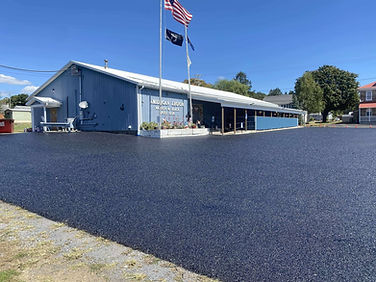
Parking Lot Sealing vs Replacement Explained
A parking lot rarely fails all at once. It starts with fading, fine cracks, loose aggregate, and water collecting where it should drain away. The decision around parking lot sealing vs replacement comes down to recognizing whether the pavement still has a sound foundation worth protecting or whether its structural condition has moved beyond maintenance.
For central Pennsylvania property owners and managers, that distinction can mean the difference between a practical preservation investment and an expensive project that could have been avoided years earlier. A good-looking black surface matters for curb appeal, but the bigger issue is what is happening below and within the asphalt.
When Parking Lot Sealing Makes Sense
Sealing is a preservation service, not a cure for a failing parking lot. It is most valuable when the asphalt is still structurally stable but showing the normal effects of age, sun, rain, road salt, vehicle traffic, and oxidation.
Asphalt contains binding compounds that gradually wear away. As the surface dries out, it becomes grayer, more brittle, and more likely to crack. Water then finds its way into those cracks, creating a cycle of deterioration that can accelerate through Pennsylvania freeze-thaw weather.
A premium asphalt-based rejuvenating sealer helps interrupt that cycle. Rather than sitting only on top like an ordinary surface coating, it penetrates the pavement and helps restore lost compounds in aging asphalt. That added protection can reduce exposure to UV damage, moisture, salt, fuel drips, and surface unraveling while bringing back the deep black appearance associated with freshly paved asphalt.
Sealing is usually a strong choice when a lot has light surface oxidation, minor cracking that can be properly addressed beforehand, fading, and a generally firm surface under traffic. The pavement should not have widespread movement, deep depressions, or extensive areas where the base has failed.
Appearance is part of the value, especially for customer-facing businesses, offices, rental properties, and small commercial sites. A deep black finish with a fresh paved sheen can make an entrance look cared for right away. Still, the protection is the reason to seal. The visual improvement is the immediate benefit; slowing premature aging is the long-term benefit.
When Replacement Is the Better Investment
Replacement becomes the more responsible option when the parking lot has structural problems that surface protection cannot reach. If the base beneath the asphalt is unstable, adding sealer may improve the color temporarily, but it will not stop the pavement from flexing, sinking, or breaking apart.
Large interconnected cracks are one warning sign. So are potholes that keep returning after repair, deep wheel-path depressions, widespread alligator cracking, standing water caused by major drainage issues, and soft or crumbling areas that move under vehicle weight. These conditions often indicate that the asphalt and, in some cases, the supporting base have deteriorated too far for preservation alone.
Replacement is also worth considering when past repairs cover a large share of the lot. A few sound repairs are normal over the life of asphalt. But when patch after patch has created an uneven surface, the cost of continuing to repair isolated failures can stop making financial sense.
That does not mean every visible crack requires replacement. Cracks need context. A small number of narrow, stable cracks in otherwise solid asphalt is very different from a network of broken pavement spreading across driving lanes and parking areas. An honest pavement evaluation should look at the overall condition, not just the darkest or roughest spot.
The Cost Question: Today’s Price vs Long-Term Value
Replacement costs considerably more than sealing because it involves removing failed material and rebuilding the pavement system. When replacement is necessary, delaying it too long can also raise costs if water damage spreads and a larger area fails.
But replacing a lot simply because it looks faded is equally wasteful. A faded parking lot with a sound structure may be an ideal candidate for preservation. The right sealing program can help extend the useful life of the existing asphalt and postpone the much larger cost of replacement.
This is why the cheapest quote is not always the lowest-cost decision. Standard water-based sealers can leave a dull black appearance and may sometimes show blue, brown, or white hues. More importantly, they are often surface coatings rather than materials designed to penetrate and rejuvenate aging asphalt.
A premium asphalt-based material costs more than a basic coating because it is intended to do more. Property owners should compare what is being applied, how it protects the pavement, whether cracks and problem areas are being addressed first, and what kind of finish they can expect after the work is complete.
Parking Lot Sealing vs Replacement: A Practical Way to Decide
Start with the pavement’s structure. If the surface is firm, relatively even, and free of widespread breakage, sealing may be the right next step. If the lot has persistent potholes, major settling, extensive fatigue cracking, or crumbling edges throughout the property, replacement may be unavoidable.
Next, look at the pattern of damage. Is deterioration limited to a few isolated locations, or does it extend across the lot? Localized issues may be repaired and then protected as part of a maintenance plan. Broad damage across travel lanes, parking stalls, and entrances is more likely to signal a deeper problem.
Finally, consider timing. Preservation works best before the pavement becomes severely dry and fractured. Waiting until the lot looks rough enough to demand attention often means water has already had years to work into the surface. Regular evaluation lets property owners plan maintenance around budgets and business operations rather than responding to an urgent failure.
Why Timing Matters in Central Pennsylvania
Central Pennsylvania asphalt faces more than everyday traffic. Summer heat and UV exposure dry the surface. Rain enters unsealed cracks. Winter temperatures cause trapped moisture to freeze and expand, while road salt adds another layer of exposure. A parking lot can look acceptable at the end of one season and show noticeably more cracking after the next winter.
That is why maintenance should not be viewed as a cosmetic afterthought. When a sound lot is sealed at the right time, it receives protection while there is still asphalt worth preserving. When the surface is allowed to oxidize, crack, and unravel without intervention, the replacement conversation arrives sooner.
For commercial property owners, planning also limits disruption. It is easier to schedule surface protection around business needs than to manage a major replacement project after pavement failures begin affecting customer access, employee parking, or tenant impressions.
A Better Finish Should Also Mean Better Protection
Not all black parking lots are protected equally. A freshly darkened surface can look impressive for a short time, but appearance alone does not tell you whether the material is supporting the asphalt beneath it.
Cove Asphalt Sealing focuses on premium asphalt-based rejuvenating sealer because property owners need more than a temporary color change. The goal is to protect aging asphalt, improve its resistance to common sources of deterioration, and create the rich black finish that makes a property look maintained.
The best time to ask about sealing is before a parking lot reaches the point of replacement. If you are seeing fading, early cracking, or a dry, weathered surface, a professional assessment can clarify whether preservation is still the smart move. A free, no-pressure estimate gives you a practical starting point and helps you make the decision based on the condition of your pavement, not guesswork.
Comments