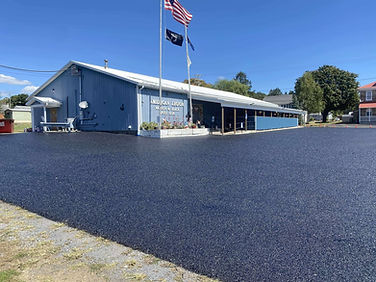
Is Fuel Resistant Asphalt Sealer Worth It?
A gas can tips near the garage. A vehicle drips oil in the same parking spot every day. A snowblower gets refueled at the end of the driveway. These are small, familiar moments, but petroleum products can soften and stain asphalt if they sit too long. A fuel resistant asphalt sealer gives the surface added protection while helping aging pavement look darker, richer, and better cared for.
That does not mean any sealer makes asphalt immune to fuel. Fresh gasoline, diesel, motor oil, and other automotive fluids should still be cleaned up promptly. The real value is in choosing a quality asphalt-based material that penetrates and rejuvenates the pavement instead of leaving behind only a thin surface coating.
What Fuel Does to Asphalt
Asphalt pavement contains binders that hold its aggregate together. Over time, sun exposure, oxygen, rain, freeze-thaw cycles, road salt, and traffic gradually dry out those binders. The pavement fades from black to gray, becomes more brittle, and starts losing the flexibility it needs to handle seasonal movement.
Fuel and oil spills can add another layer of stress. Petroleum products may soften the asphalt binder at the surface, especially when a spill is left in place. On a driveway, that often appears as a dark spot, a softened patch, or a stain that collects dirt. In a commercial lot, repeated drips near entrances, service areas, loading spaces, or designated parking spots can accelerate localized wear.
Once the surface is already dry and weathered, it has less margin for abuse. Water can enter small cracks, freeze during a central Pennsylvania winter, and widen those openings. That is why preventive maintenance matters most before the pavement begins unraveling.
How a Fuel Resistant Asphalt Sealer Helps
A quality fuel resistant asphalt sealer is designed to create more protection at the pavement surface while supporting the asphalt beneath it. The best option for many driveways and parking areas is not simply a cosmetic black coating. It is a premium asphalt-based rejuvenating sealer that penetrates into weathered pavement and helps restore compounds lost through oxidation.
That difference matters. Ordinary water-based sealers tend to sit on top of the asphalt. They can improve appearance for a time, but the finish may look dull black or develop blue, brown, or white hues as it wears. A premium asphalt-based rejuvenating sealer is intended to absorb into the pavement, helping protect the surface from moisture, UV exposure, salt, oxidation, and occasional fuel contact while producing a deep black finish with a fresh-paved sheen.
For a homeowner, the visible result is immediate curb appeal. For a commercial property, it helps the driveway lanes and parking surface look maintained rather than neglected. Underneath that improved appearance is the more valuable benefit: slowing down the drying, cracking, and surface wear that can lead to more costly repairs.
Fuel Resistance Is Protection, Not Permission to Ignore Spills
This is the part many property owners miss. Fuel-resistant does not mean spill-proof. No asphalt sealer should be treated as a reason to leave gasoline or oil on the pavement for days.
When a spill happens, absorb and remove it as soon as practical according to the product instructions and local disposal requirements. Avoid aggressively scrubbing the area with harsh solvents that can cause additional damage. If the spill has softened the asphalt, the area may need time to stabilize before sealing or recoating is considered.
The level of protection you need also depends on how the surface is used. A residential driveway with occasional lawn equipment refueling has different exposure than a commercial property with frequent vehicle traffic and repeated drips in certain areas. In both cases, professional sealing is one part of a sensible pavement-maintenance plan, not a substitute for good housekeeping.
Why Penetrating, Asphalt-Based Sealer Performs Differently
Weathered asphalt needs more than a darker color. It needs preservation. When asphalt loses essential oils and binders over time, it becomes dry, gray, and more likely to develop cracks. A penetrating rejuvenating treatment addresses that aging process more directly than a surface-only coating.
The goal is to condition and protect the pavement while improving its appearance. By penetrating into the asphalt, the material can help reinforce a weathered surface rather than merely masking it. That is particularly valuable for driveways and lots exposed to central Pennsylvania's sun, rain, snow, ice, and road salt.
There are trade-offs. Pavement that is severely cracked, badly broken, or structurally failing will not be restored by any sealer alone. Sealcoating is a preservation service, not a replacement for major asphalt repair. But for pavement that is still fundamentally sound, sealing at the right time can help delay deterioration and protect the investment already in place.
When Should You Seal a Driveway or Parking Lot?
The best time to act is usually when asphalt has begun to fade and lose its rich black color but before widespread cracking or surface unraveling takes over. Common signs include a gray, dry appearance; small cracks; rough texture; loose surface particles; and areas that remain stained after oil or fuel contact.
Newer asphalt also needs time to cure before it is sealed. The exact timing depends on pavement condition, weather, and the material used, so a professional evaluation is the safest way to determine whether sealing is appropriate. Applying sealer to pavement that is too new, too wet, heavily contaminated, or already failing can limit the result.
For established pavement, routine maintenance intervals vary. Exposure to sun, salt, traffic, drainage conditions, and vehicle use all affect how quickly a surface ages. A lightly used residential driveway may need a different schedule than a busy commercial lot. The better question is not simply, “How many years has it been?” but “What condition is the asphalt in now?”
Protecting the Areas Most Likely to See Fuel and Oil
Some sections of pavement deserve extra attention because they receive the most exposure. Homeowners should watch the area near the garage, parking spots, utility trailers, and places where mowers, ATVs, snowblowers, or other equipment are stored and fueled. Property managers should monitor high-traffic entrances, delivery areas, and spaces where vehicles consistently idle or park.
Keep water moving away from the pavement as well. Fuel damage is only one concern. Standing water can work into cracks and weak spots, then freeze and expand when temperatures drop. Good drainage, timely crack attention, and a premium sealer work together to give asphalt a better chance of lasting.
A clean surface also matters before sealing. Dirt, loose debris, and active fluid stains can interfere with proper adhesion and penetration. Professional preparation is not a minor detail. It is a major reason a quality application performs better and looks more consistent.
A Better Finish for Central Pennsylvania Pavement
Across Blair County, Bedford County, and Centre County, property owners deal with a mix of winter salt, changing temperatures, summer UV exposure, and everyday vehicle use. Those conditions can age asphalt quickly when maintenance is delayed. A deep black, fresh-paved sheen makes a property look sharper, but the bigger purpose of sealing is protecting the pavement from the conditions working against it year after year.
Cove Asphalt Sealing uses premium asphalt-based rejuvenating sealer for homeowners and commercial property owners who want more than a temporary color change. The focus is on better protection, stronger curb appeal, and helping sound pavement stay serviceable longer.
If your driveway or parking surface is faded, drying out, or showing the early effects of spills and weather exposure, now is a practical time to assess it. Protecting asphalt before small issues become major ones is usually the better value, and the payoff is visible every time you pull in.
Comments