Is Driveway Sealcoating Worth It?
A faded driveway usually tells the story before cracks get serious. The rich black color turns gray, the surface dries out, and small flaws start holding water. That is usually the point homeowners start asking, is driveway sealcoating worth it, or is it just something that makes asphalt look nicer for a season?
The honest answer is that it depends on the condition of the driveway, the material being applied, and how early you do it. For many asphalt driveways in central Pennsylvania, sealcoating is worth it when it is used as preventive maintenance. It helps slow down the aging process, protects the surface from weather and moisture, and improves curb appeal right away. But not all sealcoating is the same, and that difference matters more than most property owners realize.
Is driveway sealcoating worth it for every driveway?
Not every driveway needs the same approach. A newer asphalt driveway that is beginning to fade but is still structurally sound is usually a strong candidate for sealcoating. That is where the value is clearest. You are protecting the surface before oxidation, water intrusion, and cracking have a chance to speed up.
An older driveway with widespread cracking, sinking, or major base failure is a different story. Sealcoating is not a fix for structural damage. It is a preservation service, not a replacement for repairs when pavement has already broken down too far.
That distinction is important because some homeowners expect any black coating to solve deeper problems. It will not. What it can do is help extend the life of asphalt that still has good underlying integrity. When used at the right time, it is often far less expensive than waiting until deterioration forces major patching or full replacement.
What sealcoating actually protects against
Asphalt does not fail all at once. It dries out gradually as the surface loses flexibility and essential compounds over time. Sun exposure, rain, snow, freeze-thaw cycles, road salt, and vehicle fluids all contribute to that wear.
A quality asphalt sealer helps create a barrier against those common threats while also supporting the condition of the pavement itself. Water is one of the biggest concerns in Pennsylvania. Once it gets into small surface openings and temperatures drop, expansion can turn minor flaws into larger cracks. UV exposure also speeds up oxidation, which leaves asphalt brittle and more likely to crack under stress.
Then there is winter. In counties like Blair, Bedford, and Centre, driveways take a beating from cold weather, snow removal, and salt exposure. A properly maintained surface stands up better to those conditions than one that has been left dry and unprotected year after year.
Why the type of sealer matters
This is where many articles oversimplify the question. If you are comparing premium asphalt rejuvenation to ordinary surface-only sealers, you are not really comparing the same service.
Basic water-based sealers often sit on top of the pavement and mainly change the color. They can improve appearance for a while, but they do not offer the same level of penetration or restoration. They also tend to leave a flatter, duller finish that can look more painted than protected.
A premium asphalt-based rejuvenating sealer works differently. Instead of only coating the surface, it penetrates the pavement and helps restore lost compounds in aging asphalt. That gives you two benefits at once. You get a deep black finish with a fresh paved sheen, and you get better long-term protection against oxidation, water intrusion, salt, fuel drips, and surface unraveling.
That is why asking whether sealcoating is worth it should also lead to another question: what kind of sealcoating are you actually getting? A lower-grade product may give a short-term cosmetic improvement. A better material is aimed at pavement preservation.
The real value is in delaying bigger costs
Most homeowners do not sealcoat because they love maintenance. They do it because asphalt replacement is expensive.
If a driveway can be preserved longer with periodic treatment, the math usually starts to make sense. Preventive maintenance tends to cost far less than letting the surface dry out, crack heavily, and deteriorate until larger repairs are needed. That does not mean sealcoating makes asphalt last forever. It means it can help slow the wear cycle and reduce how quickly the surface reaches the point of major expense.
This is especially relevant for property owners who plan to stay in their home for years. A driveway is one of those features people notice every day but often postpone maintaining until it looks rough. By then, some of the easy value has already been lost.
For commercial properties, the same logic applies. A parking area that looks clean, dark, and well-kept sends a better message and is easier to maintain than one that has been left to fade and unravel.
When driveway sealcoating is worth it most
Sealcoating usually has the best return when the asphalt is still in reasonably good shape. If the surface has light wear, minor hairline cracking, fading, or early signs of drying out, protecting it now is often a smart move.
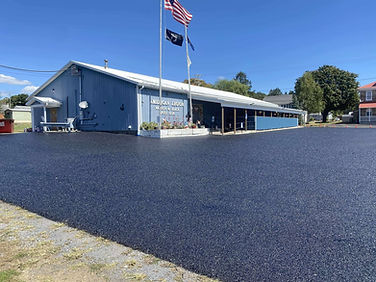
It also makes sense when curb appeal matters. A freshly treated driveway can dramatically improve how a property looks from the street. That is not just cosmetic fluff. A clean, deep black finish can make the whole exterior feel more cared for and more current.
And if your driveway gets full sun, regular vehicle traffic, winter salt exposure, or occasional oil and fuel drips, protection becomes even more valuable. Those conditions age asphalt faster, which makes maintenance more worthwhile.
When it may not be worth it
There are cases where sealcoating is not the right next step. If the driveway has severe cracking, crumbling edges, soft spots, drainage issues, or widespread structural failure, the best investment may be repair work first. Covering over major damage does not reverse it.
Timing also matters. Applying sealer too late in the life of the pavement may not deliver the return a homeowner expects. If the driveway is already near the end of its serviceable life, preservation options become more limited.
That is why a straightforward evaluation matters. A good contractor should tell you when sealcoating is a smart investment and when the surface has deeper problems that need attention first.
Is driveway sealcoating worth it in central Pennsylvania?
For many local homeowners, yes, especially because Pennsylvania weather is hard on asphalt. Seasonal temperature swings, snow, ice, rain, and salt create exactly the kind of conditions that accelerate oxidation and cracking.
That is one reason property owners across Blair County, Bedford County, and Centre County often benefit from proactive asphalt maintenance rather than waiting for visible deterioration to spread. Local conditions are not gentle on driveways, and the cost of doing nothing tends to show up later.
For homeowners comparing options in this region, the better question may be whether it is worth protecting a driveway before damage becomes expensive. In many cases, the answer is clearly yes.
What homeowners should look for in a sealcoating company
The lowest price is not always the best value. Material quality, surface preparation, and application standards all affect the result.
You want a contractor who understands that asphalt preservation is about more than putting black color on the surface. The right process should be designed to protect the pavement, improve appearance, and support longer service life. It should also come with clear expectations about what the service can and cannot do.
That is where working with a local specialist matters. A company that understands central Pennsylvania conditions can make better recommendations for driveways and parking areas exposed to freeze-thaw cycles, salt, and long winter wear.
Cove Asphalt Sealing focuses on that higher standard of asphalt preservation, using a premium asphalt-based rejuvenating sealer that penetrates, protects, and restores a richer fresh paved look than ordinary sealers typically provide.
If you are local and starting to notice fading, dryness, or early cracking, getting a professional opinion before the damage spreads is usually the smartest move. A free estimate can tell you whether your driveway is still in that sweet spot where preservation makes financial sense.
For many properties, sealcoating is worth it not because it is flashy, but because it helps you avoid bigger problems while keeping the driveway looking the way it should. If your asphalt still has solid structure, protecting it now is often the cheaper and better-looking decision than waiting for time and weather to make the choice for you.
Comments