How to Protect Asphalt From Road Salt This Winter
Road salt keeps a driveway or parking lot safer to use during a central Pennsylvania winter, but it can be hard on an already-aging asphalt surface. Knowing how to protect asphalt from road salt helps property owners prevent a small winter maintenance issue from becoming cracking, loose aggregate, and costly repairs when spring arrives.
Salt alone is not usually the entire problem. The real damage happens when salt, melting snow, water, and freeze-thaw cycles work together. Asphalt that has become dry, faded, or cracked has fewer defenses against that cycle. A proactive maintenance plan protects the surface while preserving the deep black, fresh-paved appearance property owners want.
Why Road Salt Can Damage Asphalt
Asphalt is flexible, but it is not maintenance-free. Over time, sun exposure and oxygen draw out compounds that help the pavement remain rich, dark, and resilient. The surface gradually turns gray, becomes more brittle, and begins to show small cracks or areas where aggregate is exposed.
Road salt speeds up the conditions that make those weaknesses matter. Salt lowers the freezing point of water, creating repeated melting and refreezing during temperature swings. That water can enter cracks and open areas in the asphalt. When it freezes, it expands. As the cycle repeats, cracks can widen and the pavement can begin to unravel at the surface.
Salt may also leave residue behind after snow and ice are gone. If that residue sits on a dry, oxidized driveway or busy parking area, it holds moisture against the surface longer than clean pavement would. The result is not always immediate, but several winters of exposure can contribute to premature wear.
Start With Clean Pavement After Winter Events
The simplest way to reduce salt exposure is to remove slush, snow, and salt residue as soon as conditions allow. Shovel or plow snow promptly, especially before daytime thawing sends water into existing cracks. Use a plastic shovel edge or equipment that will not gouge the pavement.
After the weather has stabilized and the surface is no longer frozen, rinse away visible salt residue with clean water if practical. This matters most near garage entrances, walkways, loading areas, and places where vehicles repeatedly track in snow and deicing products. Avoid aggressive pressure washing on pavement that is already loose, cracked, or deteriorating, since it can dislodge weakened aggregate.
For commercial properties, pay close attention to high-traffic entrances and parking stalls. Tire traffic grinds salty slush into the pavement and can wear down vulnerable areas faster than lightly used sections.
Repair Cracks Before Salt and Water Get Below the Surface
A crack is an opening for water. Once water gets below the asphalt, winter weather can turn a minor defect into a larger one. That is why crack repair should be part of any plan to protect a driveway or parking lot from road salt.
Inspect the surface in early fall and again after winter. Look for connected cracking, open seams along the edges, crumbling areas, and spots where water collects after rain. Small, isolated cracks are much easier and less expensive to address before they allow moisture into the pavement structure.
Timing matters. Crack repair and surface protection need dry conditions and appropriate temperatures, so the best time to schedule them is generally before winter arrives or once spring weather has settled. If a crack is actively moving, has broken edges, or is accompanied by a soft area, it may need more than a simple surface treatment. A professional evaluation can help determine whether preservation is still the right next step.
Use Less Salt, and Use It More Carefully
Using more salt than necessary does not automatically make a surface safer. It often leaves excess material behind to be tracked across the driveway, into the garage, or throughout a parking lot. Apply deicer according to the product directions and focus on walking paths, slopes, shaded areas, and other locations that stay icy.
Choose products with the surface and conditions in mind. Some deicers work better at lower temperatures than standard rock salt, and some are marketed as less harsh on surrounding vegetation or concrete. No deicer is completely consequence-free, though. The practical goal is to use the minimum amount needed for traction and safety, then remove leftover residue after the storm cycle has passed.
Do not use sharp metal tools to chip ice from asphalt. They can scar the surface or catch on weakened areas, particularly on older pavement where aggregate is beginning to loosen.
Protect Asphalt From Road Salt With a Penetrating Sealer
The most effective long-term protection begins before winter, while the asphalt is still in serviceable condition. A quality asphalt-based rejuvenating sealer does more than darken the surface. It penetrates the pavement, helping restore lost compounds in aging asphalt and creating a more protected surface against oxidation, water intrusion, UV exposure, fuel drips, and road salt.
That distinction matters. Ordinary water-based sealers are often designed primarily as a surface coating. They can improve color temporarily, but they do not offer the same penetrating, rejuvenating approach. Their finish may also look dull black or develop blue, brown, or white hues depending on conditions and application.
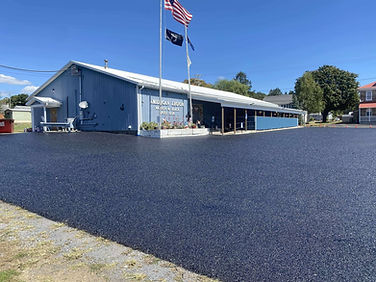
A premium asphalt-based rejuvenating sealer is intended to absorb into the asphalt rather than simply sit on top of it. When applied to a properly prepared surface, it helps reinforce pavement that has started to dry out while producing a deep black finish with a fresh-paved sheen. For homeowners, that means a driveway that looks cared for and has better protection heading into winter. For commercial property owners, it supports a cleaner, more professional appearance without treating asphalt maintenance as an afterthought.
Know When Sealing Is the Right Answer
Sealcoating or rejuvenating treatment is preventive maintenance, not a cure for severely failed pavement. It works best when asphalt is faded, dry, lightly cracked, or beginning to lose its rich black color but still has a stable base and generally sound surface.
If there are widespread potholes, deep alligator cracking, major depressions, or pavement that feels soft under vehicle traffic, repairs should be considered first. Covering major failures with any sealer will not correct the underlying issue. A straightforward assessment protects the property owner from spending money on the wrong solution.
For asphalt in maintainable condition, planning ahead is far better than waiting for visible damage to spread. Once water reaches the base beneath the pavement, repair decisions become more involved. Preserving the surface early is usually the more economical path.
A Seasonal Plan for Pennsylvania Properties
Central Pennsylvania winters can bring snow, freezing rain, sunny thaw days, and sharp overnight temperature drops in the same week. That variability is exactly why asphalt maintenance should not be limited to reacting after damage appears.
In fall, inspect for cracks, drainage issues, and fading. Schedule needed crack care and protective treatment while weather conditions are suitable. During winter, remove snow promptly, apply deicer responsibly, and avoid damaging the pavement with metal edges or unnecessary scraping. In spring, rinse away remaining salt residue, inspect the surface again, and address any new trouble spots before summer heat accelerates oxidation.
This approach is useful for a residential driveway as well as a commercial parking area. The scale is different, but the principle is the same: limit water entry, reduce prolonged salt contact, and keep the asphalt from becoming dry and brittle.
Better Protection Also Improves Curb Appeal
Winter protection is not only about avoiding cracks. A faded gray driveway can make an otherwise well-kept home look neglected, while a worn parking lot can affect a customer's first impression before they enter the building. Asphalt preservation delivers a visible benefit along with practical protection.
Cove Asphalt Sealing uses a premium asphalt-based rejuvenating sealer for property owners who want more than a thin, temporary-looking coating. The goal is a protected surface that retains a rich black color and fresh-paved sheen while helping extend the useful life of the asphalt.
Road salt will remain part of winter in central Pennsylvania. The smart response is not to avoid it entirely, but to manage it carefully and keep the pavement in a condition that can handle the season. A clean surface, sealed cracks, responsible deicer use, and penetrating asphalt protection give your driveway or lot a much stronger chance of looking good when winter lets go.
Comments