How to Maintain a Parking Lot Year-Round
- Aug 13
- 5 min read
A parking lot can look serviceable one season and show serious wear the next. Central Pennsylvania weather is tough on asphalt: summer sun dries it out, rain works into weak spots, and winter freeze-thaw cycles can turn a small crack into a repair issue. Knowing how to maintain parking lot asphalt before damage spreads protects your property, improves curb appeal, and helps delay the far greater cost of replacement.
The best maintenance plan is not complicated, but it does require consistency. Watch the surface closely, correct water problems early, repair cracks while they are small, and protect sound asphalt with a quality rejuvenating sealer rather than waiting until the lot looks worn out.
Start With Regular Parking Lot Inspections
A quick walk-through every month can reveal changes that are easy to miss from a vehicle. Look at the lot after rain as well as on a dry day. Standing water, dark saturated areas, loose stones, new cracks, and fading are all signs that the pavement needs attention.
Pay special attention to entrances, parking spaces near drainage areas, dumpster pads, loading areas, and places where vehicles stop, turn, or idle. These sections carry more stress and may deteriorate faster than the rest of the lot. Catching a narrow crack or shallow low spot early is usually much less involved than addressing widespread pavement failure later.
For commercial properties, it helps to keep a simple record of what you see and when. Photos taken from the same locations each season make it easier to tell whether a crack is stable or growing. This also gives property managers a practical basis for planning maintenance instead of reacting to emergencies.
Keep Water Off and Out of the Asphalt
Water is one of asphalt's biggest enemies. It enters through cracks, weak edges, and worn pavement, then can soften or weaken the material underneath. When temperatures drop, trapped water freezes and expands. That repeated movement can widen cracks and contribute to potholes, depressions, and surface breakup.
Keep drains, inlets, curbs, and swales clear of leaves, gravel, and debris so water has a place to go. If water consistently ponds in the same area after a storm, do not assume it will dry without consequences. The drainage pattern, pavement slope, or underlying surface may need professional evaluation.
Routine cleaning matters here. Sweep away leaves, dirt, and litter before they collect in low areas and hold moisture against the surface. In fall, this is especially worthwhile because wet leaf buildup can hide cracks and prevent water from draining as intended.
Protect the Edges of the Lot
Asphalt edges are more vulnerable because they do not have pavement supporting them on both sides. Avoid allowing heavy vehicles to repeatedly travel or park along unsupported edges. Keep vegetation trimmed back as well. Roots, soil buildup, and persistent moisture at the perimeter can all contribute to edge cracking and unraveling.
Repair Cracks Before They Become Larger Repairs
Cracks are not merely cosmetic. They provide an opening for water, salt, and debris to reach deeper into the pavement. Small cracks should be cleaned and sealed before Pennsylvania weather gets the opportunity to widen them.
The right repair depends on the size, pattern, and condition of the crack. A few isolated cracks in otherwise sound asphalt often call for crack filling or sealing. A network of interconnected cracks, soft spots, or crumbling pavement may indicate a more advanced problem below the surface. Covering major deterioration without addressing the cause can make the surface look better briefly, but it will not create a lasting repair.
Potholes and broken areas deserve prompt attention, particularly in active traffic lanes. Beyond the visible damage, they allow more water into the pavement structure every time it rains. They also create a rough first impression for customers, tenants, and visitors.
Clean Fuel, Oil, and Chemical Spills Promptly
A parking lot has to handle more than weather. Fuel drips, motor oil, hydraulic fluid, and other vehicle-related spills can soften asphalt and leave weak spots if they sit too long. Address fresh spills as soon as practical using an appropriate asphalt-safe cleaner or absorbent material.
Avoid harsh cleaning methods that damage the surface or force contaminants deeper into cracks. The goal is to remove the spill without creating another issue. Once the area is clean, inspect it for softening, raveling, or surface loss over the following weeks.
For properties with regular delivery traffic or frequent idling, schedule more frequent checks in those areas. Higher-use sections often need maintenance sooner than lightly traveled spaces, and that is normal. A good parking lot plan is based on actual use, not one fixed schedule for every section.
Use a Premium Asphalt Rejuvenating Sealer
Sealcoating is often treated as a cosmetic step, but the material matters. Ordinary water-based coatings mainly sit on top of the asphalt and can leave a dull black appearance that may show blue, brown, or white hues. They can improve appearance for a time, but they do not offer the same approach to preserving aging pavement.
A premium asphalt-based rejuvenating sealer is designed to penetrate the surface and help restore compounds asphalt loses as it oxidizes. That matters because oxidation makes asphalt dry, faded, and brittle. When the pavement is still structurally sound, rejuvenating protection can help defend against UV exposure, water intrusion, road salt, fuel drips, surface unraveling, and premature cracking.
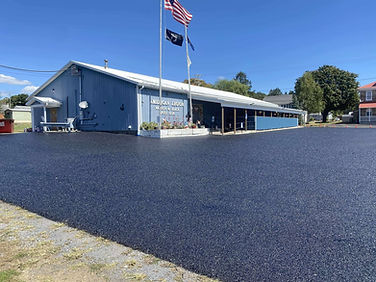
The visual result matters, too. A well-maintained lot should reinforce the way customers view the business before they reach the door. Premium asphalt-based protection provides a deep black finish with a fresh paved sheen, not a flat, temporary-looking coating.
Timing depends on the age and condition of the pavement, traffic levels, drainage, sun exposure, and previous maintenance. A lot in good condition benefits most from preservation before it becomes gray, brittle, and cracked. If the surface already has significant failures, repairs should come first. Sealer is a protection step for sound or properly repaired asphalt, not a substitute for fixing structural damage.
Adjust Your Plan for Each Season
Parking lot maintenance should follow the weather. In spring, inspect the entire surface after winter and address new cracks, potholes, and drainage concerns. Salt residue and winter debris should be cleaned away so the pavement can dry and be evaluated clearly.
Summer is often the best period for asphalt protection and repair work because warmer, drier conditions support proper application and curing. It is also the season when UV exposure is steadily aging unprotected asphalt, even when the lot still appears usable.
In fall, clear leaves frequently and finish needed repairs before freezing temperatures arrive. Winter maintenance centers on snow removal practices and deicing choices. Use equipment carefully around pavement edges, avoid dragging metal blades across vulnerable areas when possible, and remove excess salt and sand buildup once conditions allow.
Plan Maintenance Around Traffic and Budget
Property owners sometimes delay work because they worry about inconvenience. The better approach is to schedule maintenance around lower-traffic periods and treat preservation as part of the property's annual operating plan. Short, planned service windows are usually easier to manage than unexpected repairs after winter damage gets worse.
Commercial lots do not all need the same schedule. A small professional office with limited traffic will age differently than a busy retail or medical property. Heavy turning, delivery vehicles, shade, drainage, and sun exposure all affect wear. An experienced local asphalt specialist can help identify which areas need immediate work and which can be monitored.
For parking lots across central Pennsylvania, Cove Asphalt Sealing focuses on premium asphalt preservation that protects the surface while restoring the clean, deep-black appearance property owners want. The goal is straightforward: maintain asphalt while it is worth protecting, reduce avoidable deterioration, and keep your lot looking cared for.
A parking lot does not need to be perfect to be maintainable, but it does need attention before small defects become permanent damage. Start with a walk-through after the next rainfall. The places where water collects, cracks grow, or the surface has lost its color are often the places that will benefit most from timely action.
Comments