Homeowner Guide: Asphalt Sealcoating Decisions
A driveway rarely fails all at once. It starts with a faded gray surface, a few hairline cracks, loose aggregate near the edges, and spots where water lingers after a central Pennsylvania rainstorm. A homeowner guide to asphalt sealcoating decisions begins with recognizing that these early changes are not just cosmetic. They are signs that asphalt is losing the oils and flexibility it needs to handle sun, moisture, road salt, and seasonal temperature swings.
The right maintenance decision can help your driveway keep its strength, appearance, and value for longer. The wrong one can leave you with a short-lived dark surface while the pavement beneath continues to dry out and deteriorate. Knowing what to look for makes it easier to choose protection that does more than cover up the problem.
Homeowner Guide to Asphalt Sealcoating Decisions
Sealcoating is not a substitute for every asphalt repair, and it is not a one-size-fits-all service. Its value depends on the existing condition of the driveway, the material being applied, and the preparation completed before application.
A sound driveway with minor surface wear is often an excellent candidate for preventive sealing. The goal is to slow oxidation, reduce water intrusion, and protect the pavement before small defects become costly repairs. If the driveway is deeply cracked, crumbling, badly sunken, or showing widespread structural failure, sealing alone will not correct those underlying issues. Cracks should be properly addressed first, and a professional assessment can determine whether preservation is still the practical choice.
For many homeowners, the best time to act is before the driveway looks severely worn. Asphalt becomes more brittle as it ages and loses compounds to sun and weather exposure. Waiting until the surface is heavily cracked may reduce the benefit of any protective treatment.
Look Beyond the Fresh Black Color
A dark driveway looks better, but appearance should not be the only reason to seal it. Ordinary surface-only coatings can create a temporary black finish, yet their primary role is often cosmetic. Some water-based sealers can also dry to a dull black finish or show blue, brown, or white hues depending on conditions and material quality.
A premium asphalt-based rejuvenating sealer works differently. Rather than simply sitting on top of the pavement, it is designed to penetrate the asphalt surface and help restore compounds lost through aging and oxidation. That matters because the goal is not just to make a driveway look darker for a season. It is to help preserve the surface against the conditions that cause it to dry, crack, and unravel.
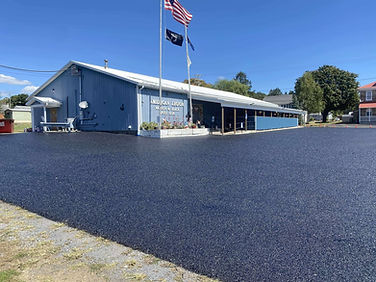
The visible result should still matter. A quality rejuvenating treatment delivers a rich, deep black appearance with a fresh paved sheen, improving curb appeal without making the driveway look like it was covered with a flat, painted film.
Decide Whether Your Driveway Is Ready
Condition should drive the decision. Walk the driveway on a dry day and look closely at the surface, the edges, and areas near the garage or road. Fading, light surface wear, minor hairline cracking, and a dry-looking texture often indicate that the pavement needs protection soon.
Pay particular attention to water. If water stands in the same place after a storm, it has more time to work into cracks and weak points. Freezing temperatures can make that issue worse. Water expands when it freezes, stressing the asphalt and contributing to larger cracks over time.
Oil or fuel spots also deserve attention. They can soften asphalt and weaken the binder that holds the surface together. A professional should evaluate significant spots before sealing so the treatment is applied to a properly prepared surface.
There are times when homeowners should pause before scheduling sealcoating. Fresh asphalt needs time to cure before it receives a protective treatment. Driveways with major alligator cracking, large potholes, severe edge breakup, or obvious base movement may require repairs first. A reputable asphalt preservation company should explain that distinction clearly instead of treating sealcoating as a cure for every problem.
Understand What Pennsylvania Weather Does to Asphalt
Central Pennsylvania driveways face more than ordinary wear. Summer UV exposure oxidizes asphalt and dries out the surface. Autumn and spring rain can find its way into small openings. Winter freeze-thaw cycles place extra stress on those weak points, while road salt can add another source of surface exposure.
This cycle is why timing is a practical decision, not just a scheduling preference. You want a clean, dry surface and weather conditions suitable for the sealer to cure properly. A professional can recommend the right window based on driveway condition and the forecast, rather than applying material when moisture or temperatures could compromise the result.
Homeowners in Blair, Bedford, and Centre counties often see very different driveway exposure based on elevation, shade, drainage, and how frequently vehicles use the surface. A tree-covered driveway may hold moisture longer, while an open driveway may receive more direct sun. Neither situation calls for a generic answer. It calls for a material and maintenance plan suited to how that pavement actually ages.
Ask What Material Is Being Applied
This is one of the most important sealcoating decisions a homeowner can make. Not every black sealer offers the same level of protection, finish, or long-term value.
Ask whether the product is asphalt-based and whether it penetrates the pavement. Ask how the surface will be cleaned and prepared. Ask what the finish is expected to look like after curing. Clear answers tell you far more than a low price alone.
A premium asphalt-based rejuvenating sealer is built for homeowners who want both visible improvement and meaningful pavement preservation. It helps protect against oxidation, UV damage, water intrusion, road salt, fuel spills, and surface unraveling while restoring the deep black appearance people associate with well-maintained asphalt.
That does not mean every driveway needs the same treatment interval. Traffic, weather exposure, drainage, previous maintenance, and surface age all affect the schedule. A lightly used residential driveway may age differently than a busy commercial entrance or parking area. The useful question is not, “How often does everyone sealcoat?” It is, “What does this particular asphalt need before avoidable deterioration sets in?”
Consider Preparation Part of the Service
Even excellent material needs proper preparation. Dirt, loose debris, vegetation at the edges, and untreated problem areas can interfere with the finished appearance and performance of a sealer.
Professional preparation generally includes cleaning the asphalt surface and inspecting it for cracks, oil spots, and areas of deterioration that need attention before treatment. The goal is a clean, stable surface that can receive the material evenly. Rushing this stage may produce a driveway that looks acceptable at first but does not deliver the level of protection the homeowner expected.
Homeowners should also plan around curing time. Keep vehicles off the driveway until the contractor confirms it is ready for use. Parking too soon can leave marks or disrupt the finish, particularly in warm conditions.
Compare Value, Not Just the Lowest Quote
The lowest quote is not always the lowest long-term cost. A cheap surface coating may improve color briefly, but it may not provide the penetrating, rejuvenating protection that aging asphalt needs. If it wears unevenly or leaves a dull, inconsistent appearance, homeowners may be left paying again sooner than expected.
A better comparison considers the material, preparation, expected finish, driveway condition, and experience of the company applying it. Look for a specialist who can explain why a recommended treatment fits your pavement instead of offering the same answer to every driveway.
Cove Asphalt Sealing focuses on premium asphalt preservation for homeowners and property owners who want stronger protection and a finish with real curb appeal. The approach is straightforward: address the pavement while it can still be protected, use a higher-quality asphalt-based rejuvenating sealer, and help the driveway stay attractive and serviceable longer.
Protect the Driveway Before Repairs Get Bigger
Sealcoating decisions are usually easiest when they are made early. Once cracks widen and water reaches deeper into the pavement, repairs become more involved and preservation options become more limited. A driveway that is faded and drying out is often asking for attention now, not after another winter.
If you are seeing surface wear, cracking, fading, or moisture-related trouble, a professional evaluation can give you a clear next step without guesswork. The best outcome is not simply a darker driveway this year. It is a well-protected asphalt surface that continues to look cared for and holds up better through the seasons ahead.
Comments