Driveway Sealing Preparation That Protects Asphalt
A driveway can look faded and tired long before it is ready for replacement. The difference between a surface that responds well to treatment and one that keeps deteriorating often comes down to driveway sealing preparation. Cleaning the pavement, addressing cracks, and choosing the right weather window give a premium sealer the clean, stable surface it needs to protect and rejuvenate aging asphalt.
For central Pennsylvania property owners, preparation matters even more because asphalt faces real seasonal stress. UV exposure dries out the binder, rain works into weak areas, winter freeze-thaw cycles widen cracks, and road salt can accelerate surface wear. A quality sealing job should not simply darken the driveway for a short time. It should begin with the conditions that allow the material to penetrate and help preserve the asphalt beneath the surface.
Why Preparation Determines the Life of a Sealing Job
Asphalt is not a solid slab. It is a flexible, aggregate-based surface held together by asphalt binder. As that binder ages, it loses oils and becomes more brittle. The driveway begins to fade from black to gray, small cracks appear, and loose aggregate can develop along the surface.
Applying sealer over dirt, loose material, standing water, or untreated cracks does not solve those problems. It can leave weak spots beneath the finished surface and prevent consistent adhesion or penetration. The driveway may still look darker, but the long-term protection will not be what it should be.
Premium asphalt-based rejuvenating sealer is designed to do more than sit on top like an ordinary surface coating. It penetrates the pavement and helps restore lost compounds in aging asphalt while creating a deep black finish with a fresh-paved sheen. Proper preparation gives that material the opportunity to work as intended.
Start With a Clean, Dry Driveway
The first step is removing everything that does not belong on the asphalt. Dirt, leaves, grass clippings, loose stones, and surface debris can interfere with an even application. Edges deserve special attention because soil and vegetation collect there and hold moisture against the pavement.
A professional crew will thoroughly clean the driveway before sealing. Homeowners preparing between service visits should keep the surface swept and avoid piling mulch, gravel, or lawn debris along the edges. These small habits help prevent moisture from lingering where the asphalt is already most vulnerable.
Dryness is just as important as cleanliness. Sealer should not be applied to a wet driveway or when rain is expected before the product has adequate time to set. Water can dilute the practical benefit of preparation, especially around cracks and low areas. A reputable contractor watches the forecast rather than forcing an application on a questionable day.
Repair Cracks Before They Become Bigger Problems
Cracks are the most obvious warning sign on an aging asphalt driveway. They create a direct path for water to get below the surface, where it can weaken the base and expand during freezing weather. Sealing over an open crack without properly preparing it is not meaningful protection.
Small cracks can often be cleaned and treated before sealing. Wider cracks, areas with missing material, or sections that show movement may require a different repair approach. The right answer depends on the crack's size, condition, and cause. A crack that developed from normal aging is different from one caused by drainage trouble or a failing base.
This is where an honest inspection has value. Surface preservation can significantly improve sound asphalt, but it cannot make a severely broken driveway structurally new. Addressing repair needs before sealing protects the investment in the finished job and helps avoid a temporary-looking fix.
Watch for These Signs Before Scheduling
Look closely at the driveway after sweeping it clean. Spiderweb cracking, open seams along the edges, loose aggregate, faded gray color, and small pothole-like depressions all deserve attention. So do low spots that hold water after a rainstorm.
Not every flaw means sealing should wait. Light oxidation and minor surface wear are exactly the issues preventive maintenance is meant to address. But standing water, large broken areas, or widespread alligator cracking may call for repair evaluation first. The goal is to preserve asphalt while it is still a good candidate for preservation.
Remove Oil and Fuel Stains Carefully
Vehicle fluids can be hard on asphalt. Oil, gasoline, and similar spills may soften or stain the binder, leaving an area that needs extra cleaning before any sealer is applied. Fresh spills should be absorbed and cleaned as soon as possible rather than left to soak into the pavement.
Older stains do not always prevent a driveway from being sealed, but they should be assessed. Preparation may involve targeted cleaning and allowing the area to dry fully. This helps create a more uniform finished appearance and prevents contaminants from getting in the way of the sealing material.
Avoid assuming that a dark coating will permanently hide every stain or damaged spot. Quality work starts with evaluating what is below the surface, not merely covering what is visible from the street.
Plan Driveway Sealing Preparation Around Pennsylvania Weather
Weather timing is one of the most practical parts of a successful job. Central Pennsylvania has humid summers, cool nights, quick rain events, and long winter conditions that can limit the sealing season. Temperature, humidity, pavement dryness, and the forecast all affect when a driveway can be properly treated.
The best time is not simply any warm day. The pavement needs suitable conditions for the material to apply and cure correctly. A professional should also consider recent rain, overnight temperatures, shade, and whether leaves or debris are likely to fall onto the fresh surface.
Property owners can help by avoiding sprinkler use near the driveway before the scheduled appointment and by moving vehicles, trailers, basketball hoops, and other obstacles off the pavement. If access is shared with neighbors or tenants, let them know the schedule early so the driveway can remain clear.
Make Room for Proper Edging and Full Coverage
The edges of a driveway are frequently the first place to show wear. Grass, soil, and water build up along the border, while vehicle tires may repeatedly travel too close to the side. Clearing the perimeter helps the crew inspect the condition of the asphalt and apply material neatly where it is needed.
Trim back grass that hangs over the driveway and move planters, bins, or decorative items away from the pavement. If vehicles have been parked in the same position for years, the exposed and covered sections may weather differently. That is normal, but a clear surface allows for a more consistent result.
For commercial properties, preparation includes making sure customer vehicles, dumpsters, and temporary equipment are coordinated around the work area. Parking lot sealing needs a practical access plan so the surface can be cleaned, treated, and allowed to cure without traffic crossing it too soon.
Protect the Fresh Finish During Cure Time
Preparation does not end when the sealer is applied. The final step is giving the surface enough time to cure before vehicle traffic returns. The exact wait time depends on weather, sun exposure, humidity, and pavement conditions, so follow the instructions provided for your specific job.
Keep vehicles, bicycles, lawn equipment, and sharp kickstands off the new surface until it is ready. Avoid turning a steering wheel sharply while the vehicle is stopped during the first period of use, since tight turns can scuff a fresh finish. It is also wise to avoid dragging heavy objects across the driveway.
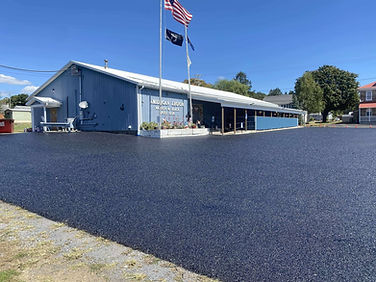
That patience pays off in appearance and performance. A properly cured premium asphalt-based sealer leaves the driveway with a rich black color and fresh-paved sheen while helping defend against oxidation, water intrusion, UV exposure, road salt, and everyday wear.
When to Call a Professional
Home preparation can make scheduling easier, but it should not replace a trained evaluation. An experienced asphalt preservation specialist can identify whether a driveway is a strong candidate for rejuvenating sealer, whether cracks need treatment first, and whether weather conditions support a quality application.
Cove Asphalt Sealing helps homeowners and commercial property owners across central Pennsylvania protect asphalt before deterioration becomes a larger repair expense. For property owners in Blair, Bedford, and Centre counties, the most useful next step is a clear assessment of the pavement's present condition, not a rushed coating.
A clean driveway, repaired cracks, dry pavement, and realistic cure time are simple details with a major effect on results. Prepare the surface well, and your driveway has a better chance to stay darker, stronger, and better protected through the seasons ahead.
Comments