Does Asphalt Sealing Stop Fading? The Real Answer
A driveway does not turn gray overnight. It slowly loses the rich black color that made it look freshly paved, often starting in the areas that get the most sun and weather exposure. So, does asphalt sealing stop fading? A quality asphalt sealing treatment can significantly slow future fading and restore a darker appearance, but it cannot make asphalt permanently immune to sunlight, oxidation, traffic, and Pennsylvania weather.
The difference comes down to the material and the condition of the pavement before it is treated. Ordinary surface-only coatings may darken asphalt for a time, but a premium asphalt-based rejuvenating sealer is designed to do more. It penetrates the pavement, helps replenish compounds lost as asphalt ages, and provides a deep black finish with a fresh paved sheen.
Why Asphalt Fades in the First Place
Asphalt is held together by a petroleum-based binder. When it is new, that binder is flexible, dark, and better able to hold the stone aggregate in place. Over time, ultraviolet rays, oxygen, rain, freeze-thaw cycles, road salt, and vehicle traffic wear that binder down.
The visible result is fading from black to charcoal gray, then often to a lighter gray. Beneath that color change, the asphalt can become drier and more brittle. Small cracks are more likely to form, water can work its way into the pavement, and loose aggregate may begin to appear at the surface.
This is why fading should not be dismissed as only a curb-appeal issue. It is usually an early warning that the asphalt is oxidizing and losing flexibility. A faded driveway may still be structurally sound, which is exactly when preservation makes the most financial sense.
Does Asphalt Sealing Stop Fading Completely?
No asphalt treatment can stop fading forever. Pavement remains outdoors, exposed to sun, rain, snow, salt, tires, and temperature swings. A driveway facing direct afternoon sun will generally fade faster than one with more shade, while a busy parking lot has additional wear from turning vehicles and traffic.
What a high-quality asphalt sealing treatment does is slow the process. By protecting the surface from UV exposure and limiting the effects of water and oxidation, it helps the asphalt retain its dark color and flexibility longer than untreated pavement. It also restores the black appearance that faded asphalt has lost.
Think of it as preservation, not a permanent cosmetic cover-up. When applied at the right time and maintained on a sensible schedule, sealing can help delay the cycle of fading, brittleness, cracking, and more costly repairs.
Why the Type of Sealer Matters
Not all black coatings protect asphalt the same way. Many conventional water-based sealers sit primarily on top of the pavement. They can provide a temporary color change, but their finish is often duller and may show blue, brown, or white hues as it wears or dries.
A premium asphalt-based rejuvenating sealer takes a different approach. Rather than simply masking the surface, it penetrates into the asphalt and helps restore lost oils and binding properties in aging pavement. That matters because fading is tied to oxidation and drying, not just a lack of black color on top.
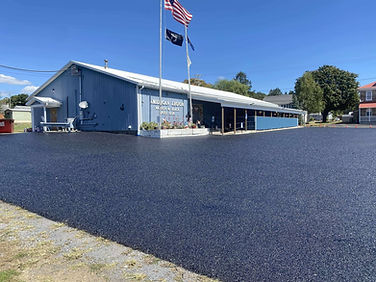
The result is a richer, deeper black finish that resembles the sheen of freshly paved asphalt. More importantly, the treatment helps protect the pavement from the conditions that cause deterioration in the first place, including UV damage, water intrusion, salt exposure, fuel drips, and surface unraveling.
For homeowners, that means a driveway that looks cared for while receiving meaningful protection. For commercial properties, it means a parking area that presents better to customers and may be easier to maintain before small surface issues become larger repair concerns.
When Sealing Can Make the Biggest Difference
The best time to treat asphalt is before it becomes severely cracked, deeply weathered, or structurally compromised. A driveway that has started to fade but still has a sound base is often an excellent candidate for rejuvenating asphalt sealing.
Early treatment gives the material a better opportunity to penetrate and protect the pavement. Waiting until the surface is badly deteriorated can limit what any sealer can accomplish. Sealing is not a replacement for addressing significant cracks, failing edges, potholes, or areas where the base has shifted.
There is also a practical timing consideration in central Pennsylvania. Winter moisture, road salt, and freeze-thaw movement are hard on asphalt. Protecting pavement before those conditions have a chance to exploit dry, faded areas can help reduce the opportunity for water to enter and worsen existing weaknesses.
What to Expect After Asphalt Sealing
A properly treated surface should look noticeably darker and more uniform once the sealer has cured. The exact appearance depends on the age and texture of the asphalt, but premium asphalt-based material is valued for producing a deep black color and fresh paved sheen rather than a flat, dull coating.
That visual improvement is immediate, but the longer-term value is protection. A rejuvenating treatment helps asphalt resist the drying effects of oxidation while reducing exposure to water and UV damage. It does not erase every existing flaw, and it will not repair structural problems below the surface. It helps preserve pavement that is still worth protecting.
Homeowners should also expect normal wear over time. Tire paths, sunny sections, driveway entrances, and areas near garages may age differently. A parking lot may show wear sooner at entrances, loading areas, and turning zones. Regular inspection makes it easier to spot when maintenance is needed rather than waiting for fading and cracking to become widespread.
How Often Should You Seal to Keep Asphalt From Fading?
There is no single calendar rule for every driveway or parking lot. The right interval depends on pavement age, sun exposure, drainage, traffic, winter salt use, and the condition of the surface. A lightly used residential driveway in a protected setting will not age at the same rate as a commercial lot with regular vehicle traffic.
Instead of sealing simply because a certain number of years has passed, look at the pavement. Has the black color faded noticeably? Does the surface look dry or rough? Are fine cracks beginning to develop? Is loose aggregate becoming visible? Those are useful signs that it may be time to have a specialist evaluate the surface.
The goal is to maintain protection before the asphalt becomes brittle. Consistent preventive care generally costs far less than allowing oxidation and water damage to progress until major repairs or replacement are necessary.
Protecting a Driveway Between Treatments
Sealing is a major part of asphalt preservation, but everyday care still matters. Keep the surface clear of standing water, leaves, and debris that can trap moisture. Clean up fuel and oil spills when possible, since petroleum products can soften asphalt. Avoid parking very heavy vehicles in the same place for long periods, especially during hot weather when asphalt is more vulnerable to impressions.
Pay attention to drainage around the driveway or parking area. Water is one of asphalt's most persistent enemies, particularly when it reaches cracks and then freezes. Addressing small cracks early and keeping water from lingering on the surface helps your sealing treatment do its job longer.
For property owners in Blair, Bedford, Centre, Cambria, Fulton, Mifflin, Somerset, Huntingdon, and Clearfield counties, local weather makes this preventive approach especially worthwhile. Sun, snow, salt, rain, and temperature changes all add up over the life of the pavement.
A Better Answer Than a Temporary Black Coating
If your asphalt has faded from black to gray, sealing can do more than improve its appearance. The right material can slow further fading, help restore flexibility to aging pavement, and create a dark finish that improves curb appeal right away. The key is choosing a treatment that protects the asphalt itself instead of only changing its surface color.
Cove Asphalt Sealing applies premium asphalt-based rejuvenating sealer for homeowners and commercial property owners who want longer-lasting protection and a finish with a true fresh paved sheen. If your driveway or lot is beginning to look faded, a no-pressure evaluation now may help preserve what you already have before weather and oxidation take a more expensive toll.
Comments