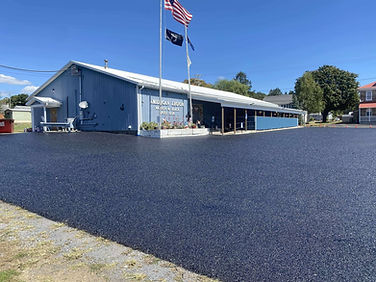
Commercial Pavement Preservation Guide for PA
A parking lot rarely fails all at once. It fades, dries out, develops small cracks, and begins to lose aggregate at the surface. By the time potholes and widespread breakage are obvious, the cost of putting off maintenance has grown considerably. This commercial pavement preservation guide explains how Central Pennsylvania property owners can protect asphalt while it is still a candidate for preservation rather than major repair or replacement.
For business owners, facility managers, and commercial property decision-makers, pavement is not just a maintenance line item. It affects curb appeal, tenant and customer impressions, drainage, and the useful life of a major property asset. The right preservation plan helps slow the damage caused by sun, water, road salt, traffic, and seasonal temperature swings.
What Commercial Pavement Preservation Actually Does
Asphalt contains binders that keep the surface flexible and help hold the stone aggregate together. Over time, UV exposure, oxygen, traffic, rain, snow, and deicing salt break down those binders. The pavement gradually turns gray, becomes brittle, and becomes more vulnerable to cracks and water intrusion.
Commercial pavement preservation is the work of protecting that surface before deterioration moves too far. It is not a substitute for rebuilding severely failed asphalt. It is a practical way to extend the life of pavement that remains structurally sound enough to benefit from treatment.
That distinction matters. A well-timed preservation application costs far less than allowing a parking area to deteriorate until extensive repairs or replacement are the only reasonable options. It also gives a commercial property a noticeably cleaner, darker appearance without pretending that a cosmetic coating can solve underlying structural problems.
Why Ordinary Sealer Is Not Always the Best Choice
Not all asphalt sealers work the same way. Many common water-based products sit largely on top of the pavement. They may darken the surface for a period, but the finish can be dull black and may show blue, brown, or white hues as it dries or ages. That surface-only approach does not provide the same rejuvenating effect as a quality asphalt-based material designed to penetrate the pavement.
Cove Asphalt Sealing uses a premium asphalt-based rejuvenating sealer that is intended to work into the asphalt surface, helping restore compounds lost through aging while protecting against oxidation, water, UV exposure, road salt, fuel drips, and surface unraveling. The result is more than a temporary color change. Properly prepared asphalt receives protection along with a deep black finish that has a fresh paved sheen.
There is still a trade-off to understand. Preservation materials perform best on pavement with a stable base and manageable surface wear. If a lot has deep alligator cracking, widespread potholes, sinking sections, or serious drainage issues, those conditions need evaluation before sealing. Applying any sealer over major failure may improve color briefly, but it will not correct what is happening beneath the surface.
Know When Your Parking Lot Is Ready
The best time to preserve commercial asphalt is usually before damage becomes dramatic. A manager who waits for obvious potholes has often missed the most cost-effective maintenance window. Regular inspections make it easier to act at the right time.
Look for these warning signs during a walk-through of the property:
A faded gray surface that no longer has a rich black appearance
Small cracks that are beginning to spread or collect debris
Loose aggregate or a rough, raveling texture at the surface
Areas where water stands after rainfall or snowmelt
Wear near entrances, loading areas, dumpster pads, and high-turning traffic zones
A few isolated cracks do not automatically mean a lot is beyond preservation. The condition, depth, pattern, and cause of cracking all matter. Surface-level aging can respond very well to a preservation treatment, while cracks caused by movement in the base require a more careful repair plan first.
Water Is the Expense Multiplier
Water is one of asphalt's most persistent enemies. Once it reaches cracks and gets below the surface, it can weaken the supporting layers. Central Pennsylvania's freeze-thaw cycles make that problem worse. Water expands as it freezes, enlarging cracks and opening more pathways for moisture.
Preservation helps reduce exposure by protecting the asphalt surface. It should be part of a broader maintenance mindset that also includes keeping drainage paths clear and addressing developing cracks before water has repeated opportunities to work below the pavement.
A Practical Commercial Preservation Plan
The right schedule depends on traffic levels, pavement age, sun exposure, drainage, and the condition of the existing surface. A lightly used professional office lot will not age exactly like a busy retail or apartment property. Still, every commercial property benefits from having a written maintenance plan instead of reacting only when defects become urgent.
Start with a seasonal visual inspection, especially after winter. Note new cracks, worn traffic lanes, standing water, oil spots, and areas where the surface has lost texture. Photographing the same trouble areas each year is useful because it shows whether conditions are stable or advancing.
Next, deal with issues that can undermine preservation results. Dirt, vegetation, loose debris, and heavy contamination need attention before treatment. Cracks and localized failures should be assessed honestly. Preservation is most valuable when it is paired with good judgment about what the pavement can reasonably support.
Then schedule treatment during suitable weather conditions. Asphalt preservation is not a job to rush into on a cold, wet day or immediately before heavy rain. The surface needs to be properly cleaned, dry, and ready for the material to adhere and penetrate as intended. A professional contractor should explain the preparation process, expected access limitations, and the curing considerations for your specific property.
Finally, plan around your business operations. For a commercial site, the best application method is one that protects the pavement without creating unnecessary disruption for customers, employees, tenants, or deliveries. This may mean coordinating sections of the lot, choosing lower-traffic periods, and giving occupants clear notice before work begins.
Protect Appearance Without Treating It as Cosmetic
A darker parking lot makes a commercial property look cared for. That is valuable, but appearance should not be the only goal. A fresh paved sheen sends a positive first impression because it reflects real attention to an asset customers use before they ever walk through the door.
The stronger value is what happens over time. A premium asphalt-based rejuvenating sealer helps defend the surface against the drying and weathering that lead to brittleness. By slowing oxidation and helping limit water intrusion, it can help property owners preserve flexibility and delay more expensive deterioration.
For Central Pennsylvania businesses, road salt deserves special consideration. Winter maintenance is necessary for many properties, but salt and repeated moisture exposure can be hard on aging asphalt. A protected surface is better positioned to handle seasonal stress than pavement that has been left dry, faded, and open to the elements.
Questions to Ask Before Hiring a Pavement Preservation Contractor
Commercial property owners should not choose a provider based on price alone. The lowest estimate may rely on a material that offers a short-lived surface change rather than meaningful protection. Ask what type of product will be used, whether it penetrates the asphalt, and how the contractor evaluates pavement that may need repairs before treatment.
It is also reasonable to ask how the surface will be prepared, what finish you should expect, and how the crew will handle access to the property. A qualified local specialist should give direct answers without overselling what preservation can do. They should explain where the treatment is a strong fit and where another repair decision may be more appropriate.
Property owners in Blair, Bedford, and Centre counties, as well as nearby Central Pennsylvania communities, benefit from working with a company familiar with the region's weather, winter exposure, and pavement conditions. Local experience helps turn a generic maintenance recommendation into a plan that fits the property in front of you.
Make Preservation Part of the Property Standard
The best commercial asphalt maintenance decision is often made before the pavement looks like it needs one. When your lot is fading, drying out, or showing early wear, a professional evaluation can clarify whether preservation is still the smart next step. Acting while the pavement has life left can protect your budget, strengthen your property's appearance, and keep a small surface issue from becoming the next major capital expense.
Comments