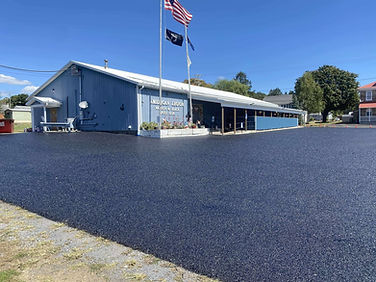
Centre County Sealcoating Guide for Longer-Lasting Asphalt
A driveway can look fine from the street while the asphalt is already losing the oils that keep it flexible. Fading, a rougher texture, small cracks near the edges, and areas that hold water are early warnings. This Centre County sealcoating guide explains how local weather affects asphalt, when protection makes sense, and why the material used matters as much as the work itself.
Centre County pavement handles a demanding mix of sun, rain, snow, freeze-thaw cycles, road salt, and changing temperatures. Those conditions gradually oxidize asphalt. As the binder dries out, the surface becomes more brittle, more porous, and more likely to crack. Protecting the pavement before that decline becomes widespread is usually far more cost-effective than waiting for major repairs or replacement.
Why Centre County Asphalt Needs Timely Protection
Asphalt is not a maintenance-free surface. It contains binders that give pavement its dark color and flexibility, but those compounds diminish over time with UV exposure, oxygen, water, and vehicle traffic. In central Pennsylvania, winter adds another challenge. Water can enter small surface openings, freeze, expand, and make existing cracks worse.
Road salt can also contribute to surface wear, especially where vehicles repeatedly park, turn, or track slush onto a driveway or lot. The result is often a surface that looks gray, dry, and uneven before it develops more obvious cracking.
Sealcoating is most valuable when the asphalt is still structurally sound enough to preserve. It cannot turn failed pavement into new pavement, and it should not be used to hide serious base problems, deep alligator cracking, or major depressions. But on asphalt that is beginning to fade and dry out, the right treatment can slow further deterioration while improving curb appeal right away.
What to Look for Before You Sealcoat
A quick walk around the property can reveal whether the surface is a good candidate for sealing. Look closely at the driveway entrance, parking areas, tire paths, and edges. These areas often show wear first because they receive more traffic, turning force, and water exposure.
Fine surface cracks, fading, rough aggregate showing through, and a dry or chalky appearance are common signs that asphalt needs attention. Small cracks should be addressed before sealing so moisture does not continue working below the surface. Oil or fuel spots deserve attention as well, since petroleum products can soften asphalt and interfere with adhesion.
Standing water is a different issue. A sealer can help protect the asphalt surface, but it will not correct drainage or a low area that continually collects water. If a driveway has persistent puddling, severe edge breakdown, or large sections of connected cracking, a professional assessment is the smart first step. Good maintenance starts with an honest look at the pavement's condition.
The Best Timing Depends on Pavement Age and Condition
There is no single calendar rule that fits every driveway or parking lot. New asphalt needs time to cure before it receives a protective treatment. Older asphalt may need attention sooner if it has faded quickly, sees frequent traffic, or is exposed to winter salt and direct sun.
For many established surfaces, the practical goal is to seal before the pavement becomes brittle and heavily cracked. Waiting until asphalt looks severely worn can limit what any protective service can accomplish. Property owners who monitor the surface each year are better positioned to schedule maintenance at the point where it delivers real value.
Not All Sealcoating Materials Perform the Same
Many people hear "sealcoating" and picture a dark layer applied over the top of the driveway. Ordinary water-based coatings can improve color for a time, but they are primarily surface coatings. Their finish may also appear dull black or develop blue, brown, or white hues as conditions change.
A premium asphalt-based rejuvenating sealer works differently. Rather than simply sitting on top, it is designed to penetrate the asphalt surface and help restore compounds lost through aging and oxidation. That deeper approach is especially meaningful for pavement that has begun to look dry but has not yet reached the point of major failure.
The visible result matters, too. A quality asphalt-based treatment leaves a deep black finish with a fresh-paved sheen, not the flat appearance many homeowners associate with basic coatings. More importantly, the purpose is preservation: helping protect the surface from oxidation, UV exposure, water intrusion, road salt, fuel drips, and gradual surface unraveling.
That does not mean every surface needs the same treatment at the same time. A lightly used residential driveway and a busy commercial parking area face different traffic patterns and wear. The best recommendation depends on age, condition, repairs needed, drainage, and how the property is used.
A Practical Centre County Sealcoating Guide for Homeowners
For homeowners, the best approach is to treat driveway maintenance as a sequence rather than a one-day cosmetic project. First, evaluate the asphalt and identify cracks, stains, crumbling edges, or water concerns. Next, make necessary crack repairs and prepare the surface properly. Then apply a premium protective sealer when weather and surface conditions are appropriate.
Preparation is not a minor detail. Dirt, loose debris, vegetation, and untreated problem areas can affect the finished result. A clean, sound surface gives the treatment the best opportunity to perform as intended and creates a more uniform appearance.
After application, allow the driveway the recommended time to cure before driving on it. Homeowners should also avoid sharp turning in place, especially during hot weather, because concentrated tire force can scuff asphalt. Simple habits such as keeping heavy equipment off vulnerable edges and cleaning up fuel spills promptly can help extend the benefit of professional sealing.
Parking Lots Need Protection Without Disrupting Operations
For commercial property owners, asphalt appearance influences how customers, tenants, and visitors perceive the property before they walk through the door. A faded, cracking parking area can make an otherwise well-maintained building look neglected. At the same time, managers need maintenance that fits around traffic, deliveries, and business hours.
Planning makes the difference. A professional can evaluate traffic flow, identify high-wear zones, address needed crack work, and schedule surface protection in phases when appropriate. The aim is not merely to darken the lot. It is to preserve the asphalt investment and maintain a clean, professional surface with as little operational interruption as practical.
Fuel-prone areas, turning zones, entrances, and parking stalls near buildings often deserve closer attention. These locations can wear differently than the rest of the lot. A tailored maintenance plan is more useful than treating every square foot as if it faces identical conditions.
Why Local Conditions and Professional Application Matter
Centre County has distinct seasonal swings, so application timing should account for weather, moisture, and temperature. Applying material to unsuitable pavement conditions can compromise the result. A local asphalt preservation specialist understands that the schedule needs to work with the surface, not just the calendar.
Cove Asphalt Sealing serves homeowners and commercial property owners across central Pennsylvania with premium asphalt-based rejuvenating sealer designed for more than a temporary color change. The goal is straightforward: protect sound asphalt earlier, help it stay flexible longer, and restore the deep black appearance that makes a driveway or parking area look cared for.
A free, no-pressure estimate should begin with the actual condition of the pavement. Ask what preparation is included, whether cracks need attention first, what material will be used, and what finish you can reasonably expect. Those answers reveal whether a contractor is focused on preservation or simply applying a low-cost surface coating.
If your asphalt is fading, feeling rough, or developing small cracks, do not wait for another winter to show you how far the damage can spread. A timely evaluation can help you decide whether now is the right time to protect the surface and keep a manageable maintenance need from becoming a much larger asphalt expense.
Comments