Can Sealer Restore Black Asphalt? The Real Answer
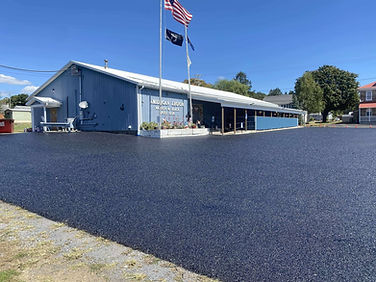
A driveway can fade from deep black to washed-out gray long before it is ready for replacement. So, can sealer restore black asphalt? Yes, the right sealer can bring back much of that rich black appearance while helping protect aging pavement - but it cannot erase serious damage or rebuild asphalt that has already failed.
For central Pennsylvania homeowners and property managers, the difference comes down to the condition of the asphalt and the material applied. Ordinary surface-only coatings can cover a driveway temporarily. A premium asphalt-based rejuvenating sealer is designed to do more: penetrate the surface, replace some of the compounds asphalt loses as it ages, and leave a deep black finish with a fresh paved sheen.
Can Sealer Restore Black Asphalt When It Has Faded?
Fading is usually one of the clearest signs that asphalt is oxidizing. Sunlight, rain, snow, road salt, vehicle traffic, and temperature swings gradually pull oils and flexibility from the binder that holds the pavement together. As that binder dries out, the driveway becomes lighter in color, more brittle, and more likely to develop cracks.
A quality asphalt-based rejuvenating sealer can make a meaningful difference at this stage. It restores a darker, more uniform black appearance and helps condition the upper portion of the pavement. The visual improvement is immediate, but the real value is preservation. By protecting the surface from continued oxidation, moisture, UV exposure, and salt, sealing can help slow the deterioration that leads to larger repairs.
That is not the same as making old asphalt brand new. A driveway with minor weathering and light surface wear may look dramatically better after professional sealing. A driveway with deep alligator cracking, widespread loose aggregate, soft areas, or major settling needs repair work before any protective coating can be expected to perform well.
A Black Finish Is Not the Only Measure of Quality
Many people judge sealer by color alone. A darker driveway certainly improves curb appeal, but a black finish by itself does not tell you whether the material is helping the asphalt beneath it.
Standard water-based sealers generally sit on top of the pavement. They can provide a temporary color change, but they do not offer the same rejuvenating effect as a premium asphalt-based product that penetrates the surface. Water-based finishes can also look duller than freshly paved asphalt and may sometimes show blue, brown, or white hues as they dry or wear.
Premium asphalt-based rejuvenating sealer is different. It is formulated to work into the pavement rather than simply create a film across it. That penetration helps restore a deep black, freshly paved sheen while providing stronger resistance to the things central Pennsylvania asphalt faces every season: sun, standing water, snowmelt, road salt, fuel drips, and repeated freeze-thaw cycles.
For a homeowner, that means a driveway that looks cared for and has a better chance of staying flexible longer. For a commercial property, it means a cleaner-looking entrance and parking area without treating appearance as the only goal.
What Sealer Can Restore - and What It Cannot
Sealing is preventive maintenance, not structural reconstruction. Knowing the distinction helps property owners make a better decision and avoid spending money on the wrong solution.
A professional rejuvenating sealer can often improve faded color, dry-looking pavement, light surface oxidation, and early signs of surface unraveling. It can also help reduce exposure to water and contaminants that accelerate aging. When applied to sound asphalt at the right time, it helps preserve the investment already in the ground.
It cannot permanently hide or correct every problem. Open cracks should be properly prepared and filled before sealing. Potholes, large depressions, drainage problems, crumbling edges, and areas where the base has moved need to be addressed separately. Sealer follows the surface it is applied to. If the asphalt is badly uneven or broken, the finished result will still reflect those underlying issues.
The best time to seal is usually before deterioration becomes obvious from the street. Waiting until a driveway is gray, brittle, and heavily cracked limits what any sealer can accomplish. Property owners who maintain asphalt on a regular schedule typically get better appearance, better protection, and more useful life from the pavement.
Why Pennsylvania Weather Makes Timing Matter
Central Pennsylvania weather is hard on asphalt. Summer heat and ultraviolet exposure dry the surface. Winter brings snow, deicing materials, and freeze-thaw movement. Water works into small openings, freezes, expands, and makes minor cracks larger.
That cycle is why a faded driveway should not be treated as just a cosmetic issue. The loss of black color often signals that the asphalt binder is losing the flexibility it needs to handle seasonal movement. A penetrating, asphalt-based sealer helps create a protective barrier while conditioning the pavement surface before water and oxidation create more expensive problems.
Preparation matters just as much as the material. The asphalt needs to be cleaned so dirt, loose debris, and contaminants do not interfere with adhesion and penetration. Cracks need attention, and the surface needs suitable weather for the product to cure properly. Professional application provides an even finish and avoids the thin spots, missed edges, and streaky appearance that can come from rushed work.
How to Tell Whether Your Asphalt Is a Good Candidate
A driveway or parking area is often a good candidate for rejuvenating sealing when it is structurally sound but visibly aging. Look for a gray or brownish cast, reduced black color, a dry texture, light cracking, or early surface wear. These conditions are a sign to act, not necessarily a sign that replacement is needed.
Be more cautious when the surface has widespread interconnected cracking, deep holes, loose stones across large areas, or noticeable low spots that collect water. Those conditions may require repairs first. A straightforward on-site assessment is the best way to separate surface aging from a deeper pavement issue.
At Cove Asphalt Sealing, the goal is not to sell a one-size-fits-all coating. It is to help homeowners and commercial property decision-makers choose a maintenance approach that protects usable asphalt, improves the look of the property, and makes financial sense over time.
The Long-Term Value of Restoring Asphalt Color
The immediate appeal of sealing is easy to understand: the driveway looks darker, cleaner, and closer to freshly paved. That fresh paved sheen can sharpen the appearance of a home, storefront, office, or rental property in a single service visit.
The longer-term benefit is more practical. Asphalt that is protected from oxidation and water intrusion is less likely to become brittle as quickly. Keeping small issues from becoming large ones can reduce the chance of facing costly repairs or premature replacement. No sealer stops aging forever, but regular maintenance can change how quickly the surface deteriorates.
For properties across Blair, Bedford, Centre, Cambria, Fulton, Mifflin, Somerset, Huntingdon, and Clearfield counties, a free, no-pressure estimate can clarify whether the asphalt is ready for premium rejuvenating sealing or needs repair attention first. The best next step is to protect pavement while it is still worth protecting - when a deeper black finish can also mean a stronger surface for the seasons ahead.
Comments