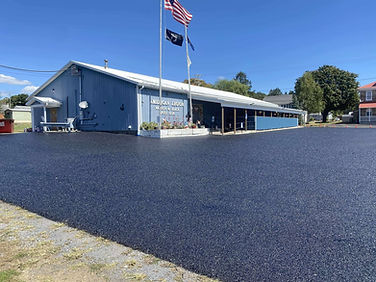
Best Protection for Blacktop Driveways
A blacktop driveway usually does not fail all at once. It starts with fading, a few dry-looking spots, hairline cracks, and edges that seem a little weaker every year. By the time many homeowners start asking about the best protection for blacktop driveways, the surface has already lost oils, taken on water, and begun to turn brittle. That timing matters, because the right protection is not just about making asphalt look darker. It is about slowing down the damage that leads to cracking, breakdown, and expensive replacement.
What actually damages a blacktop driveway
Blacktop wears down from the top and from within. Sunlight dries out the asphalt binder. Rain and snow work into small openings. Freeze-thaw cycles expand that moisture and stress the surface. In central Pennsylvania, road salt adds another layer of punishment during winter. Over time, the pavement loses flexibility, becomes more porous, and starts to unravel.
That is why a driveway can look only slightly faded but already be headed in the wrong direction. The rich black color is not just cosmetic. When that color fades to gray, it often signals oxidation and aging. Once asphalt dries out, it is more likely to crack under traffic, weather, and seasonal movement.
Oil drips and fuel spills can also soften or stain certain areas. Tires grind grit into the surface. Water finds weak spots. None of this is unusual. It is simply what asphalt does when it is left exposed year after year without real preservation.
The best protection for blacktop driveways is not just a surface coating
If you want the honest answer, the best protection for blacktop driveways is a treatment that does more than sit on top. A basic sealer can improve appearance for a while, but not all products protect the same way. That is the key difference many property owners miss.
Ordinary water-based sealers mostly form a surface film. They can darken the driveway at first, but they do not offer the same level of penetration or restoration. The finish is often flatter and duller, and it can sometimes carry blue, brown, or whitish tones as it wears. For a homeowner who wants the driveway to look freshly paved and stay protected longer, that is usually not the best value.
A premium asphalt-based rejuvenating sealer works differently. Instead of acting like a simple top coat, it penetrates the asphalt and helps restore some of the compounds aging pavement loses over time. That matters because older asphalt is often dry and depleted. When the treatment penetrates, the goal is not just color. The goal is to help the surface stay better protected against oxidation, water intrusion, UV exposure, salt, spills, and surface wear.
In practical terms, that means stronger long-term preservation and a much better finish. Homeowners tend to notice two things right away - the driveway looks deeper black with a fresh paved sheen, and it does not have the flat, painted look common with lower-grade products.
Why penetration matters more than short-term appearance
A driveway that only looks better for a season is not necessarily protected better. That is where a lot of confusion comes from in this industry. Some treatments make asphalt look freshly coated but do very little to address the dryness and exposure that caused the aging in the first place.
Penetrating protection matters because asphalt is not supposed to behave like concrete. It needs flexibility. As the binder dries out, the surface becomes less resilient. Cracks form more easily. Water gets in faster. The cycle speeds up.
That is why the better question is not, "What makes my driveway black again?" It is, "What helps my driveway last longer?" A rejuvenating, asphalt-based treatment answers both. It improves curb appeal, but it also supports preservation in a way a surface-only product cannot match.
There is still some nuance here. If a driveway is severely cracked, crumbling, or structurally failing, no sealer will reverse that. Protection works best when applied before major deterioration takes over. For newer driveways and aging driveways that are still fundamentally sound, preservation can make a real difference.
What homeowners should look for in driveway protection
The best product is only part of the equation. Application timing and surface condition matter too. A good blacktop protection plan starts with treating the pavement while it is still repairable and worth preserving. Waiting until cracks are wide and the surface is breaking apart limits what any maintenance service can accomplish.
You also want protection that addresses the threats your driveway actually faces. In this region, that usually means UV exposure in summer, water infiltration in wet seasons, freeze-thaw movement in winter, and salt after storms. A product that helps resist all of those common causes of deterioration is far more useful than one chosen mainly for price.
Finish matters as well. A driveway sits at the front of the property. People notice it. If the goal is to protect your investment and improve curb appeal at the same time, the result should look clean, dark, and professionally maintained. A deep black finish with a fresh paved sheen gives homeowners the look they want without sacrificing protection.
When is the best time to protect blacktop?
Sooner is almost always better than later. Once asphalt starts fading, it is already telling you it needs attention. That does not mean every driveway should be treated immediately after installation, but it does mean regular preservation should become part of the plan before visible damage gets ahead of you.
For older driveways, timing depends on condition. If the surface is still intact and the cracking is limited, protection can help extend its life. If there are oil spots, minor wear, and oxidation, those are all signs the driveway is exposed and vulnerable. The cost of preserving it now is usually far lower than the cost of letting it keep aging until larger repairs are needed.
Weather conditions also matter for application. Asphalt maintenance needs proper temperatures and dry conditions to perform well. That is one reason working with a specialist matters. Product quality is important, but so is applying it at the right time and in the right conditions.
A better fit for central Pennsylvania properties
Blacktop in this part of Pennsylvania takes a beating. Between winter salt, temperature swings, rain, sun, and daily traffic, driveways and parking areas rarely stay in good shape by accident. Property owners in Blair County, Bedford County, and Centre County often need more than a basic cosmetic coating. They need a preservation approach that matches local conditions and protects against the issues that actually shorten pavement life.
That is why many homeowners and property managers look for asphalt sealing in Blair County, asphalt sealing in Bedford County, or asphalt sealing in Centre County from a company that focuses on premium surface protection rather than generic low-end sealcoating. A local specialist understands how quickly oxidation and moisture can turn a solid-looking driveway into one that starts cracking at the edges and wearing thin through the wheel paths.
Cove Asphalt Sealing serves residential and commercial customers across central Pennsylvania with a premium asphalt-based rejuvenating sealer designed to penetrate, protect, and restore a richer black finish. For property owners comparing options in Blair County, Bedford County, or Centre County, the difference is not just in the look. It is in the level of preservation and the value over time.
The biggest mistake people make
The most common mistake is choosing based on upfront price alone. That can lead to a service that darkens the driveway briefly but does not provide the same level of long-term protection. If the material sits on top, wears unevenly, and leaves behind a dull finish, the cheaper option may not be cheaper for long.
The second mistake is waiting too long. Once blacktop is badly deteriorated, preservation has less to work with. Asphalt maintenance is most effective when it is preventive, not last-minute. Homeowners who stay ahead of the damage usually end up with fewer cracks, better appearance, and more years before major replacement becomes part of the conversation.
If you are comparing treatments, ask what the material actually does. Does it penetrate or just coat? Does it help restore lost oils and compounds, or mostly change the color? Does the finish look like fresh pavement, or like a flat painted layer? Those answers tell you a lot.
So what is the right choice?
For most homeowners who want the best protection for blacktop driveways, the right choice is a premium asphalt-based rejuvenating sealer applied before the driveway slips into major deterioration. It protects against the things that age asphalt fastest, helps preserve flexibility, improves resistance to moisture and oxidation, and delivers the deep black appearance people expect from a properly maintained driveway.
That does not mean every driveway needs the exact same timing or approach. Condition matters. Age matters. Exposure matters. But if the goal is to make blacktop last longer and look better while avoiding the limitations of ordinary surface-only sealers, a penetrating asphalt-based treatment is the smarter investment.
A good driveway should not just survive the seasons. It should keep its strength, hold its appearance, and give you more life before bigger repair bills show up.
Comments