Best Driveway Sealer for Oxidation Explained
- Aug 4
- 5 min read
A driveway that has turned gray, rough, and brittle is not simply losing its color. It is losing the oils and flexibility that help asphalt stand up to traffic, water, sun, and Central Pennsylvania winters. The best driveway sealer for oxidation should do more than make faded pavement look black for a season. It should help protect the asphalt itself before small surface problems become cracking, unraveling, and expensive repairs.
That distinction matters because not every black coating performs the same way. Some products mainly sit on top of the pavement. A premium asphalt-based rejuvenating sealer is designed to penetrate the surface, restore lost compounds in aging asphalt, and leave a deep black finish with a fresh-paved sheen.
What Oxidation Does to an Asphalt Driveway
Asphalt contains binders that hold aggregate together and give the pavement flexibility. Over time, ultraviolet exposure, oxygen, rain, snow, and temperature swings gradually dry out those binders. Road salt and repeated freeze-thaw cycles can add to the strain for driveways across central Pennsylvania.
The early signs are easy to spot: a driveway fades from black to charcoal gray, then starts looking dry or dusty. Its texture becomes rougher, small stones may loosen, and fine cracks begin to appear. Once water finds its way into those cracks, it can weaken the surface further.
Oxidation is a normal part of asphalt aging, but neglect speeds it up. A good preservation plan addresses the pavement while it still has a sound structure. Sealing badly deteriorated pavement will not erase major cracks, failing edges, or base problems, but protecting an otherwise solid driveway early can help slow further weathering.
Best Driveway Sealer for Oxidation: Look Beyond Color
A dark finish is appealing, but appearance alone is not the best way to judge a sealer. The strongest choice for oxidation is generally a premium asphalt-based rejuvenating sealer that is intended to penetrate and condition aging asphalt rather than act only as a surface film.
Penetration is the key difference. When a material works into the weathered upper portion of the pavement, it can help replenish the surface that has become dry and brittle. That helps support flexibility while creating a protective barrier against UV exposure, moisture, salt, and everyday wear. The result is practical protection along with the rich black appearance homeowners expect after professional driveway sealing.
Ordinary water-based sealers can improve color, but they are often more surface-focused. Their finish may look duller and can sometimes show blue, brown, or white hues as the coating dries or weathers. For a property owner concerned specifically about oxidation, a temporary dark coating is not the same as choosing a material formulated to rejuvenate the asphalt.
Why Asphalt-Based Rejuvenation Is a Better Fit for Aging Pavement
The right material should match the actual condition of the driveway. A newer surface may need routine protection before it fades significantly. A driveway that is several years old, gray, and beginning to feel dry can benefit from a more restorative approach.
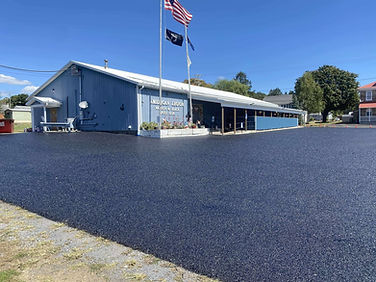
Premium asphalt-based rejuvenating sealer offers several advantages for oxidation-prone driveways. It helps condition the upper asphalt surface instead of simply masking its faded appearance. It also supports resistance to water intrusion and UV damage, two of the main forces behind asphalt deterioration. A properly prepared and professionally applied treatment can leave pavement looking deep black with a fresh-paved sheen rather than a flat, painted-over appearance.
There are limits, and a trustworthy contractor should be clear about them. If the driveway has widespread alligator cracking, major depressions, soft spots, or severe surface loss, sealing alone is not a cure. Those conditions should be evaluated before a preservation treatment is recommended. The goal is to protect viable asphalt, not cover up a surface that needs more substantial repair.
Preparation Matters as Much as the Sealer
Even the best material cannot perform as intended on a dirty, wet, or poorly prepared driveway. Asphalt needs to be cleaned so the sealer can contact the pavement rather than sit on dust, leaves, loose grit, or vehicle residue. Cracks should be assessed and treated where appropriate, because open cracks allow water below the surface.
Weather also matters. The driveway must be dry, and the application needs suitable temperatures and conditions for the product to cure properly. This is one reason professional application is often the better value. The job is not just spreading a black material across pavement. It is evaluating the surface, preparing it correctly, applying the product evenly, and giving it the time it needs to set.
Homeowners should also be careful with bargain products that promise instant results. A thin, uneven, or incompatible coating can wear prematurely and may produce an inconsistent finish. The lowest upfront price is rarely the best value when the goal is to extend driveway life and reduce the pace of oxidation.
When Should You Seal an Oxidized Driveway?
The ideal time is before the driveway becomes severely cracked and brittle. If the pavement has lost its deep black color, feels dry, has a roughened texture, or shows early hairline cracking, it is worth having it evaluated. Those are common signs that oxidation is already affecting the surface.
For most driveways, ongoing maintenance is more cost-effective than waiting for visible failure. The exact schedule depends on pavement age, sun exposure, drainage, traffic, and prior maintenance. A driveway in full sun with frequent vehicle use may weather faster than one that is shaded and lightly used. Parking areas can also need closer attention around entrances, turning zones, and places exposed to fuel drips.
Water management should be part of the conversation as well. Sealer helps protect the surface, but standing water and poor drainage continue to put stress on asphalt. Keeping downspouts, runoff, and snowmelt from collecting on the driveway helps preserve the benefit of professional sealing.
What Homeowners Should Ask Before Hiring a Sealing Company
Ask what type of sealer will be used and whether it is designed to penetrate and rejuvenate asphalt. A contractor should be able to explain the difference in plain language, including what the finish will look like and what kind of protection the material is intended to provide.
It is also reasonable to ask how the driveway will be prepared, whether cracks will be addressed, and what condition would make sealing a poor fit. Clear answers are a good sign. So is a contractor who focuses on preserving the pavement instead of making promises that no sealer can keep.
For residential driveways and commercial asphalt surfaces in Blair, Bedford, Centre, Cambria, Fulton, Mifflin, Somerset, Huntingdon, and Clearfield counties, Cove Asphalt Sealing uses a premium asphalt-based rejuvenating sealer chosen for lasting protection and a better finished appearance. The objective is straightforward: help sound asphalt stay protected longer while restoring the deep black look that improves curb appeal.
Protect the Driveway While It Can Still Be Preserved
Oxidation does not pause once a driveway starts to fade. Sun, water, salt, and seasonal temperature changes continue drying the asphalt until cracks and surface wear become more difficult to manage. Choosing a penetrating, asphalt-based rejuvenating sealer at the right time gives a driveway a stronger chance to keep its color, flexibility, and clean finished look.
If your asphalt is fading but still structurally sound, a professional evaluation can clarify whether preservation is the right next step. A no-pressure estimate gives you a practical view of the driveway's condition and helps you act before a weathered surface turns into a larger repair project.
Comments