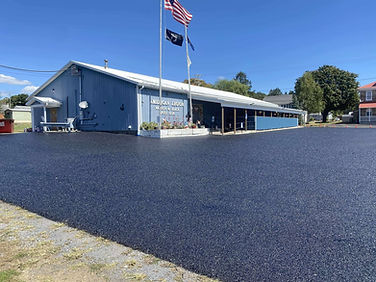
Asphalt Preservation Services That Protect Pavement
- Aug 2
- 5 min read
A driveway does not usually fail all at once. It fades from black to gray, begins to feel dry and brittle, and develops small cracks that give water a way in. Quality asphalt preservation services address that gradual decline before a surface needs more extensive repair or replacement. For Central Pennsylvania homeowners and property managers, that means protecting the pavement they already own while bringing back the deep black appearance of fresh asphalt.
The difference is in the material and the purpose. Ordinary surface-only sealers can darken pavement for a time, but they do not always address the loss of oils and binders that occurs as asphalt ages. A premium asphalt-based rejuvenating sealer is designed to penetrate the surface, help restore lost compounds, and protect the pavement from the weather and daily use that cause it to break down.
What Asphalt Preservation Services Actually Do
Asphalt is made with aggregate held together by an asphalt binder. Over time, sun exposure, oxygen, rain, melting snow, road salt, and vehicle traffic pull that binder apart. The surface becomes lighter in color, less flexible, and more likely to crack or unravel.
Preservation is preventive maintenance. It is not a substitute for rebuilding pavement that has major structural failure, deep potholes, or widespread base damage. But when a driveway or parking area is still fundamentally sound, preserving it at the right time can slow the aging process and help postpone much larger costs.
A professional treatment typically begins with a close look at the surface. Cracks, edges, drainage conditions, and areas of wear all matter. The pavement must be cleaned and prepared so the sealer can make proper contact with the asphalt rather than sit on top of dirt, loose debris, or standing moisture.
The goal is practical: keep water out, reduce the effects of oxidation and UV exposure, and give aging pavement a more flexible, protected surface. The immediate visual improvement is valuable, but it is the long-term protection that makes preservation worth considering.
Why Penetrating Asphalt Preservation Services Matter
Not all black sealers perform the same way. Many water-based products primarily form a coating on the top of the pavement. Those coatings can provide a short-term color change, but they may leave a dull black finish and can sometimes show blue, brown, or white hues as they weather.
Cove Asphalt Sealing uses a premium asphalt-based rejuvenating sealer that is intended to penetrate the pavement rather than simply coat the surface. That distinction matters because aging asphalt needs more than a temporary color cover. It needs protection that works with the asphalt itself.
A penetrating, asphalt-based treatment helps replenish the look and character of weathered pavement while guarding against common sources of deterioration, including water intrusion, UV damage, road salt, fuel drips, and surface unraveling. The finish is a rich deep black with a fresh-paved sheen, not a flat or chalky appearance.
For a homeowner, that can mean a driveway that looks cared for and holds up better through Pennsylvania's changing seasons. For a commercial property, it can mean a more professional-looking entrance and parking surface without treating maintenance as an afterthought.
The Cost of Waiting Too Long
Small pavement problems tend to get more expensive when ignored. A hairline crack can expand as water enters, freezes, and thaws. Once water reaches lower layers, the damage can spread beneath the visible surface. What started as routine maintenance may then require crack repair or more involved corrective work before preservation makes sense.
Fading is another warning sign. A gray driveway is not necessarily failing, but it often indicates oxidation and binder loss. When asphalt loses flexibility, normal temperature changes and vehicle loads have a greater effect on the surface. Edges may begin to crumble, and loose aggregate can become more noticeable.
There is a trade-off to consider. Applying a preservation treatment too early on brand-new asphalt is not always appropriate because fresh pavement needs time to cure. Waiting until the surface is severely cracked or deteriorated can limit what any sealer can accomplish. The best timing depends on the age of the asphalt, its condition, drainage, traffic, and prior maintenance history.
That is why a no-pressure evaluation is useful. A specialist can tell you whether the surface is ready for preservation, whether crack work should come first, or whether the pavement has progressed beyond the stage where sealing offers the best value.
What to Expect From a Quality Application
Good results begin before any material is applied. The asphalt should be dry, clean, and free of loose debris. Grass growing along driveway edges, dirt tracked in from the road, and untreated cracks can all affect the finished result.
A professional crew should also pay attention to the conditions on application day. Temperature, moisture, shade, and the forecast influence how a treatment cures. Rushing an application onto a wet surface or under poor conditions can compromise appearance and performance.
Once the surface is prepared, the rejuvenating sealer is applied evenly to provide consistent coverage. The treated pavement should be left alone for the recommended curing period before foot traffic or vehicles return. Your contractor can provide clear guidance based on the surface, weather, and product used.
Homeowners often notice the visual change first. A faded driveway regains depth of color and a clean, fresh-paved appearance that improves curb appeal right away. The more meaningful benefit is less visible: a protective barrier against the moisture, sunlight, and salt exposure that shorten pavement life.
Driveways and Parking Areas Need Different Planning
The preservation principle is the same for residential and commercial asphalt, but the details can differ. A home driveway may see a few vehicles each day, with wear concentrated near the garage, turnaround area, and road entrance. A parking area may have more frequent traffic, turning tires, delivery vehicles, and occasional fuel exposure.
Commercial property decision-makers also need to consider scheduling. Work should be planned to minimize disruption to customers, employees, tenants, or visitors. A local contractor who understands the property can help set reasonable expectations for preparation, application, and curing time.
In both cases, the right maintenance plan is based on condition, not just a calendar. A shaded driveway with poor drainage may age differently than an open lot that receives full sun all day. Pavement near heavily salted roads may need more attention than a protected surface with limited traffic.
A Smarter Way to Protect Central Pennsylvania Asphalt
Central Pennsylvania pavement works through hot sun, hard freezes, snow, rain, and road salt. Those conditions make preventive care more than a cosmetic decision. Keeping asphalt protected while it is still in serviceable condition is usually more practical than waiting for deep cracks, crumbling edges, and water damage to dictate the next step.
Cove Asphalt Sealing serves homeowners and commercial properties across Blair, Bedford, Centre, Cambria, Fulton, Mifflin, Somerset, Huntingdon, and Clearfield counties with a higher-quality approach to surface protection. The focus is not on applying an ordinary coating and moving on. It is on using a premium asphalt-based material that helps protect aging pavement and delivers the deep black finish property owners want to see.
If your driveway or parking surface is fading, drying out, or beginning to show early cracking, now is a good time to assess it. A free, no-pressure estimate can help you understand the condition of your asphalt and whether preservation is the right next move before minor wear becomes a more expensive problem.
Comments