Asphalt Sealer Selection Guide for Lasting Protection
A driveway can look faded long before it is beyond saving. In central Pennsylvania, sun, rain, freeze-thaw cycles, road salt, and vehicle traffic gradually pull protective oils from asphalt. This asphalt sealer selection guide explains how to choose a material that does more than darken the surface for a season - it should help protect the pavement you already own.
The right choice depends on the age and condition of the asphalt, how the surface is used, and the result you expect. A low-cost coating may make a driveway appear darker at first, but appearance alone is not the same as preservation. For homeowners and commercial property managers, the better question is: Will this sealer help the asphalt resist the conditions that cause costly deterioration?
Start With the Condition of Your Asphalt
Sealer works best as preventive maintenance. It is designed to protect sound asphalt and slow the aging process, not turn severely damaged pavement into new pavement. Before selecting a product, look closely at the surface.
A driveway or parking area with fading color, a dry or brittle texture, minor surface wear, and early hairline cracking is often a strong candidate for professional sealing. These are common signs of oxidation. As asphalt loses the compounds that keep it flexible, it becomes more vulnerable to water intrusion, cracking, and surface unraveling.
More serious issues require a different conversation first. Deep cracks, soft areas, alligator cracking, standing water, or sections that have broken apart should be evaluated before sealer is applied. Sealing over major failure can improve color temporarily, but it will not correct the underlying pavement problem. A reputable asphalt preservation specialist should be clear about that distinction.
Understand What Different Sealers Actually Do
Not all asphalt sealers protect pavement in the same way. The most visible difference may be the color after application, but the more meaningful difference is how the material interacts with the asphalt below.
Many ordinary water-based sealers are primarily surface coatings. They can provide a darkened appearance and a layer of coverage, but their finish is often dull black and may show blue, brown, or white hues as it dries and ages. For some properties, that may be an acceptable budget-focused option. It is not the same approach as using a premium asphalt-based rejuvenating sealer.
A quality asphalt-based rejuvenating sealer is formulated to penetrate the pavement surface rather than simply sit on top of it. By helping restore lost compounds in aging asphalt, it supports flexibility while creating a rich, deep black appearance with a fresh paved sheen. That combination matters because a driveway should not only look maintained - it should be better prepared to handle weather and daily use.
Coal-tar and asphalt-emulsion products may also come up in product comparisons. Their performance, appearance, odor, application requirements, and suitability can vary significantly. Rather than choosing by a label alone, ask the contractor what material they use, whether it penetrates or primarily coats, and what finish you should realistically expect.
Use This Asphalt Sealer Selection Guide to Compare Protection
A good sealer should be selected for the threats your pavement faces, not just for its initial color. In Pennsylvania, the most common concerns are oxidation from sun exposure, water entering cracks and porous areas, winter salt, freeze-thaw movement, and occasional fuel or oil drips.
Look for a material designed to help protect against UV damage and water intrusion. UV exposure dries asphalt over time, while water can enter small openings and create larger problems as temperatures rise and fall. Road salt adds another seasonal concern for driveways and commercial lots. Fuel spills can also soften or stain asphalt in high-use areas, so property managers should discuss traffic patterns and vehicle activity before choosing a treatment.
There is no product that eliminates every future maintenance need. However, selecting a penetrating, asphalt-based rejuvenating sealer can help slow the cycle of drying, fading, cracking, and surface wear. That can mean more useful life from the pavement and more time before major repairs or replacement become necessary.
Choose the Finish You Want to See Every Day
A driveway is one of the first things people notice about a home. For a business, a clean, dark parking surface supports a more cared-for property appearance before customers even reach the entrance. That is why finish should be part of the selection process, not an afterthought.
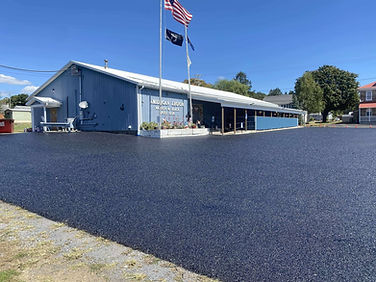
If your goal is a deep black, freshly paved look, ask specifically how the sealer will look after it cures. Some surface-only coatings can look flat, chalky, or inconsistent. A premium asphalt-based material is a better fit for property owners who want the deeper black color and fresh paved sheen associated with well-maintained asphalt.
The finish should also be even. Proper surface preparation, clean edges, suitable weather, and careful application all influence the final result. High-quality material matters, but so does the experience of the crew applying it. An uneven application can distract from the curb appeal you were trying to improve.
Match the Product to Residential or Commercial Use
A residential driveway typically sees passenger vehicles, occasional deliveries, and exposure to the weather. The priority is often preventing premature aging while restoring curb appeal. For these surfaces, a rejuvenating treatment can be especially valuable when applied before oxidation becomes severe.
Commercial asphalt has different demands. Parking areas may see more frequent traffic, turning vehicles, deliveries, fuel drips, and larger open areas exposed to sun and snow. The goal remains similar - protect the pavement, maintain a professional appearance, and manage long-term ownership costs - but the condition of the surface and use patterns deserve a closer review.
In both cases, the lowest initial price is not always the lowest cost over time. A material that provides only short-lived surface color may need more frequent attention and may do less to address dry, aging asphalt. A better preservation treatment can offer stronger value when it helps extend the life of the existing surface.
Timing Matters as Much as Material
The best time to seal asphalt is before widespread cracking and breakdown take hold. Waiting until a driveway is gray, brittle, and heavily cracked limits what any sealer can accomplish. Early maintenance gives the material more sound pavement to protect.
Application conditions matter, too. Asphalt sealing needs appropriate weather and a properly prepared surface. Moisture, debris, loose material, and unsuitable temperatures can affect adhesion, appearance, and cure time. Property owners should expect a professional to assess the surface rather than promise the same result for every driveway or lot on every day of the season.
Traffic planning is also part of the job. Homeowners need to know when they can use the driveway again, while commercial managers may need to coordinate access so customers and staff can move safely around the property. Clear expectations help protect the newly treated surface during curing.
Questions Worth Asking Before You Hire
A straightforward conversation can reveal a lot about the quality of the service. Ask what type of sealer will be used and whether it is asphalt-based and designed to penetrate the pavement. Ask how cracks, loose debris, and surface preparation will be handled. Ask what the cured finish should look like, how long the area should remain clear, and whether the contractor sees any conditions that should be repaired before sealing.
Be cautious of vague answers such as "black is black" or promises that a coating will fix every crack. Asphalt preservation is most effective when the recommendation matches the pavement's actual condition. The right contractor explains the trade-offs plainly and helps you protect your investment without overselling what a sealer can do.
Cove Asphalt Sealing uses a premium asphalt-based rejuvenating sealer because central Pennsylvania properties need more than a temporary cosmetic coating. The goal is practical: help defend aging asphalt from the conditions that shorten its life while restoring the deep black finish homeowners and businesses want to see.
A well-timed sealing decision can keep a driveway or parking area looking cared for while giving the asphalt better protection through the seasons ahead. If the surface is beginning to fade, dry out, or show early wear, now is a good time to have it evaluated and choose preservation before minor aging becomes a larger repair project.
Comments