7 Best Parking Lot Protection Methods That Work
A parking lot rarely fails all at once. It starts with faded pavement, a few small cracks near traffic lanes, water sitting after a storm, and edges that begin to unravel. Left alone, those early signs become potholes, larger repairs, and eventually a much more expensive replacement decision. The best parking lot protection methods address those problems while the asphalt is still worth preserving.
For central Pennsylvania property owners, protection means accounting for rain, freeze-thaw cycles, road salt, UV exposure, vehicle traffic, and occasional fuel or oil drips. The right maintenance plan depends on the lot's condition, drainage, traffic volume, and age. Still, the goal is consistent: keep water out, slow oxidation, repair damage early, and preserve a clean, professional appearance.
1. Start With Proper Drainage
Water is one of asphalt's most persistent enemies. When it pools on the surface, it works its way through cracks and weak spots. Once moisture reaches the base beneath the asphalt, the pavement can soften, shift, and break apart under vehicle weight.
Walk the lot after a steady rain. Look for standing water, low areas, water flowing toward the building, and spots where runoff repeatedly crosses traffic lanes. A puddle that disappears in a few hours may seem harmless, but repeated saturation can shorten pavement life over time.
Drainage corrections are not always major projects. Sometimes the issue is debris blocking a drain, a damaged curb line, or water being directed from a downspout onto the lot. The key is to identify the cause before treating surface damage alone. Sealing over a recurring water problem may improve appearance, but it will not stop the underlying deterioration.
2. Repair Cracks Before Water Gets Below the Surface
Cracks are the entry point for water, salt, and debris. Small cracks can often be addressed before they spread, while wider or deeper cracks may need more involved repair. Either way, waiting for a crack to become a pothole is rarely the cost-effective choice.
A good inspection should focus on more than the middle of the parking area. Check around catch basins, entrances, turning areas, wheel paths, curbs, and pavement edges. These locations often receive more stress from braking, turning, drainage, or vehicle weight.
Crack repair works best as part of a maintenance cycle, not as an emergency response. Once cracks are properly addressed, the lot is in a better position for protective treatment. That sequence matters because a protective sealer is designed to preserve asphalt, not hide structural failure.
3. Use Penetrating Asphalt Rejuvenation Instead of a Surface-Only Coating
Not all parking lot sealers protect asphalt the same way. Ordinary water-based coatings primarily sit on top of the pavement. They can create a darker surface for a time, but they do not offer the same restorative approach as a premium asphalt-based rejuvenating sealer that penetrates into the pavement.
Asphalt gradually loses the compounds that help keep it flexible and resilient. Sunlight, oxygen, water, salt, and traffic accelerate that aging process. The pavement turns gray, becomes more brittle, and is more likely to crack or ravel at the surface.
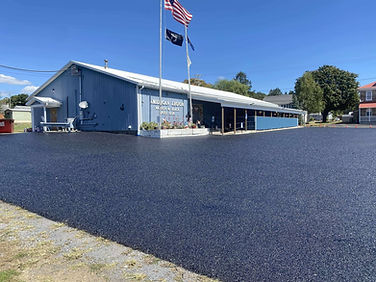
A premium asphalt-based rejuvenating treatment is designed to penetrate the asphalt, help restore lost compounds, and protect the surface from further oxidation and weather exposure. It also produces the deep black, fresh-paved sheen many owners want for a customer-facing property. That visual difference is noticeable, especially compared with water-based products that can dry to a dull black finish or show blue, brown, or white hues.
This method is best for lots that are aging but still structurally sound enough to preserve. If widespread base failure, major potholes, or severe breakup is already present, the damaged areas should be evaluated and repaired first. Preservation works best before the lot reaches that point.
4. Keep Oil, Fuel, and Chemical Spills From Sitting
Parking lots around restaurants, repair facilities, delivery areas, and high-traffic commercial buildings may see fuel, motor oil, hydraulic fluid, or other vehicle leaks. These substances can soften asphalt binders and leave stains that make the lot look neglected.
Prompt cleanup helps limit surface damage and keeps spills from spreading through traffic. Maintenance teams should have a clear process for spotting and addressing leaks, especially near loading areas, drive lanes, and parking spaces that regularly show staining.
A quality protective treatment helps add resistance against common exposure, but it is not a reason to ignore fresh spills. The practical approach is both: clean contamination when it occurs and maintain the asphalt so it is not already dry, brittle, and vulnerable.
5. Protect the Edges and High-Stress Areas
The outer edges of a parking lot are often the first places to break down. Without the support of surrounding pavement, edges can crack and crumble when vehicles drive too close, especially where larger trucks turn or back into spaces.
Entrances, dumpster areas, loading zones, and tight turning radiuses deserve extra attention as well. These areas experience concentrated stress that a typical parking space does not. A maintenance plan should prioritize them instead of treating every part of the lot as if it ages at the same rate.
Keep heavy vehicles where the pavement is built to handle them whenever possible. If delivery traffic routinely uses an area showing early damage, that is useful information for planning repairs and preventing repeat problems.
6. Maintain a Schedule, Not Just a Reaction Plan
The most expensive parking lot maintenance is often the work that could have been handled two or three years earlier. A lot should be inspected regularly for cracking, fading, loose aggregate, drainage concerns, and areas of soft or uneven pavement.
There is no single calendar that fits every property. A low-traffic office lot may need a different schedule than a busy retail center, apartment complex, or business with frequent delivery vehicles. The amount of sun exposure, winter salt use, and drainage quality also changes the timing.
What matters is consistency. Document recurring trouble spots, address repairs when they are manageable, and schedule protection before the surface becomes dry and brittle. That approach gives property owners more control over costs and avoids the pressure of making decisions after damage has accelerated.
7. Choose a Contractor Who Understands Preservation
Parking lot protection is not simply about applying a black coating. The material, preparation, pavement condition, and timing all affect the result. A contractor should be able to explain what the pavement needs now, what can wait, and where repairs should come before protective treatment.
For commercial property owners across central Pennsylvania, Cove Asphalt Sealing focuses on premium asphalt preservation rather than ordinary surface-only sealcoating. The goal is practical: help extend the useful life of existing asphalt, improve curb appeal, and give the lot a deep black finish with a fresh paved sheen.
Before scheduling work, ask for a straightforward assessment of the lot's condition. A reputable specialist should not promise that one treatment fixes every problem. They should identify cracks, water issues, worn areas, and surface oxidation, then recommend the order of work that makes sense for the property.
Protect the Lot While It Is Still Protectable
A well-maintained parking lot does more than look better when customers arrive. It reduces the chance that small surface issues turn into disruptive repairs, helps preserve the investment already under your vehicles, and keeps the property looking cared for. If your asphalt is fading, showing early cracks, or losing its smooth black appearance, a professional evaluation now can help you make a better decision before deterioration gains ground.
Comments