7 Asphalt Oxidation Signs You Should Not Ignore
- Aug 1
- 6 min read
A driveway does not usually fail all at once. It starts losing protection quietly, often years before potholes or major cracks appear. Knowing the early asphalt oxidation signs gives homeowners and property managers a chance to protect the surface while maintenance is still far more practical than major repair or replacement.
Oxidation is what happens when the binders in asphalt are gradually broken down by sunlight, air, moisture, temperature swings, road salt, and vehicle traffic. As those essential oils and compounds are lost, the pavement becomes dry, faded, and less flexible. In central Pennsylvania, freeze-thaw cycles can turn that surface aging into cracking and water damage quickly.
1. The Black Surface Has Faded to Gray
Fresh asphalt has a deep black appearance because its binder is still rich and flexible. One of the clearest asphalt oxidation signs is a surface that has turned charcoal gray, light gray, or unevenly faded. This is more than a curb-appeal issue. It means the asphalt is losing the compounds that help it resist weather and movement.
A faded driveway may still feel solid underfoot, which is why many owners wait too long to address it. But this is often the best stage for preservation. Treating asphalt before the surface becomes brittle helps maintain a tighter, better-protected pavement structure.
Color alone does not tell the whole story. Dust, mud, and normal wear can temporarily make asphalt look lighter. The concern is persistent fading that remains after the surface is cleaned, especially when it is paired with a dry, rough texture.
2. The Pavement Feels Dry, Rough, or Brittle
Healthy asphalt has some flexibility. It needs that flexibility to handle summer heat, winter cold, and the small movements that happen beneath every driveway or parking lot. Oxidized asphalt feels dry and looks less uniform, almost as if the fine material at the surface is beginning to loosen.
Run a hand lightly over a clean area of pavement. A surface that feels unusually coarse, sandy, or brittle may be losing its protective binders. This condition is often called surface raveling in its later stages, when small pieces of aggregate begin separating from the asphalt.
Once raveling is established, a surface treatment cannot reverse every area of material loss. That is why timing matters. Asphalt preservation works best when the pavement is aging but remains structurally sound.
3. Fine Hairline Cracks Are Beginning to Spread
A few narrow cracks may seem minor, but they are often evidence that oxidation has reduced the asphalt's ability to flex. As the pavement stiffens, it is more likely to split under traffic loads and seasonal temperature changes.
Look for thin, scattered cracks across open areas of the driveway, near the garage entrance, or along the edges. In parking areas, pay close attention to vehicle turning zones and entrances, where stress is concentrated. Cracks that expand into connected patterns need attention because they allow water to reach the base below the pavement.
Not every crack has the same cause. A single crack can result from normal movement, while broad alligator-style cracking can point to base failure or heavier structural problems. A professional assessment helps determine whether preservation is appropriate or whether repairs should be completed first.
4. Small Stones or Sand Are Collecting on the Surface
When asphalt binders oxidize, they no longer hold aggregate as securely as they should. You may notice small stones, dark grit, or sand-like material collecting at the bottom of the driveway, along edges, or near tire paths. This is an early warning that the top layer is beginning to unravel.
At first, the change may be subtle. Over time, the surface becomes more open and porous, which lets water enter more easily. In Pennsylvania, trapped water can freeze, expand, and worsen the breakdown during winter.
This is a situation where ordinary surface-only coating may improve color temporarily without doing much to replenish what aging asphalt has lost. A premium asphalt-based rejuvenating sealer is designed to penetrate the surface, helping restore lost compounds while providing protection at the point where deterioration begins.
5. Water Soaks In Instead of Beading Up
A well-maintained asphalt surface should shed water reasonably well. When water darkens the pavement immediately, disappears into the surface, or lingers in porous-looking areas, oxidation may have opened the pavement to moisture intrusion.
Water is one of asphalt's most persistent enemies. It can move through cracks and porous areas into the base, soften the material below, and contribute to settling or more extensive cracking. Road salt compounds the problem by increasing the harsh exposure pavement experiences through winter.
Some water absorption is normal in older pavement, and standing water may also be a drainage issue rather than an oxidation issue. Still, when absorption appears alongside fading, brittleness, and fine cracks, the pavement is telling you it needs protection.
6. Tire Paths and Edges Are Wearing Faster
Oxidation rarely happens at exactly the same pace across the entire surface. Areas exposed to regular tire traffic, direct sun, plow contact, or water runoff often show damage first. On a residential driveway, that may mean worn tracks leading to the garage. On a commercial property, it may be the entrance, travel lanes, or spaces where vehicles turn frequently.
Driveway edges deserve special attention. They have less support than the middle of the pavement and are more exposed to runoff, lawn equipment, and traffic that drifts off the side. An edge that is crumbling or cracking is not always caused by oxidation alone, but dry, unprotected asphalt will be less capable of standing up to those stresses.
7. The Surface Looks Old Before It Looks Broken
Many property owners wait for visible holes or large cracks before scheduling maintenance. By then, the pavement has often been exposed to years of oxidation. A tired, dull surface with uneven color and a worn texture is already showing its age, even if it has not yet developed serious damage.
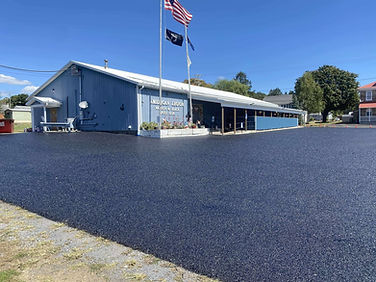
This stage is where a professional rejuvenating treatment can offer the strongest value. The goal is not simply to make the driveway black again. It is to help protect the asphalt from UV exposure, moisture, road salt, fuel drips, and continued surface wear while restoring a deep black finish with a fresh-paved sheen.
Why Central Pennsylvania Asphalt Ages Faster
Central Pennsylvania pavement works through a demanding annual cycle. Summer sun dries the binder. Fall and spring bring frequent moisture. Winter brings cold temperatures, snow, ice, and road salt, followed by repeated freezing and thawing. That cycle is tough on both residential driveways and commercial asphalt surfaces.
Shade can slow UV exposure but may hold moisture longer. Full sun can dry a driveway faster. Heavy vehicles, poor drainage, and fuel spills add their own stress. There is no single schedule that fits every property, but regular inspection is the practical way to spot change before it becomes a repair project.
For owners in Blair, Bedford, and Centre counties, that inspection is especially worthwhile after winter and again before colder weather returns. Look closely at the pavement rather than judging it from the street. The earliest signs are easy to miss until they begin affecting the entire surface.
What to Do When You See Oxidation
Start by identifying whether the asphalt is still structurally sound. If there are open cracks, failed areas, or sections with significant unraveling, those issues should be evaluated before sealing. Preservation material performs best on pavement that has been properly prepared and is still a good candidate for protection.
For sound but faded asphalt, choose a treatment based on more than the initial color change. Water-based products can leave a dull black finish and may sometimes show blue, brown, or white hues. They generally sit on the surface rather than working into the asphalt itself.
Cove Asphalt Sealing uses a premium asphalt-based rejuvenating sealer that penetrates aging pavement instead of simply covering it. That difference matters because the treatment is intended to help restore lost compounds while protecting the surface and delivering the rich, fresh-paved appearance homeowners and commercial property managers want.
If your driveway or lot is showing several of these signs, a no-pressure professional estimate can clarify whether now is the right time to preserve it. Acting while the asphalt is faded and dry, rather than cracked and failing, can help keep your property looking sharper and your pavement working longer.
Comments