How Rejuvenating Sealer Technology Protects Asphalt
A driveway does not fail all at once. It usually starts with a faded gray surface, a few hairline cracks, and asphalt that feels dry rather than tight and flexible. Rejuvenating sealer technology is designed for that critical stage, when pavement still has useful life left but needs more than a temporary dark coating. By penetrating the asphalt surface, it helps restore protection where aging pavement needs it most.
For central Pennsylvania homeowners and property managers, that difference matters. Seasonal temperature swings, UV exposure, rain, snow, road salt, vehicle traffic, and occasional fuel drips all work against asphalt. A premium asphalt-based rejuvenating sealer helps slow that wear while bringing back the deep black appearance people associate with freshly paved asphalt.
What Rejuvenating Sealer Technology Does Differently
Asphalt is made with stone and sand held together by an asphalt binder. Over time, sun, oxygen, weather, and traffic draw out or break down the oils and compounds that help keep that binder flexible. The pavement becomes dry, brittle, lighter in color, and more likely to crack or unravel at the surface.
Ordinary surface-only sealers mainly sit on top of the pavement. They can improve color for a time, but they do not necessarily address the dry, oxidized condition below the surface. Some water-based products can also leave a flatter, duller black finish, sometimes with blue, brown, or white hues as they weather.
A premium asphalt-based rejuvenating sealer is made to do more. It penetrates into the upper portion of sound asphalt rather than simply forming a coating across it. That penetration helps replenish lost compounds in aging pavement and supports a more flexible, better-protected surface. The visible result is a richer black finish with a fresh paved sheen, not the washed-out look many property owners want to avoid.
That does not mean any sealer can reverse years of damage. Rejuvenating treatment works best as preservation for asphalt that is aging but still structurally sound. When a driveway has widespread alligator cracking, deep potholes, base failure, or areas that move under vehicle weight, repairs should be addressed before sealing. Applying quality material over a failed surface may improve appearance briefly, but it will not correct the underlying problem.
Why Asphalt Needs More Than a Darker Color
A black driveway looks better, but appearance is only one part of the value. Fading is often a warning sign that oxidation is already taking hold. As the binder dries out, the aggregate at the surface can loosen. Small openings allow water to enter, and water is especially hard on pavement during Pennsylvania's freeze-thaw cycles.
When water gets into cracks and freezes, it expands. Those small cracks can widen, edges can break down, and the pavement can lose support over time. Road salt, plow activity, and repeated vehicle traffic add more stress through the winter. A properly timed rejuvenating sealer helps create a protective barrier against moisture, UV exposure, salt, and everyday surface wear before minor issues become more expensive repairs.
Fuel and oil spills are another concern, particularly around garages, parking areas, and commercial entrances. No asphalt surface is completely immune to petroleum exposure, but a maintained, sealed surface is better positioned to resist staining and softening than dry, neglected pavement. Promptly cleaning spills still matters, especially when they are fresh.
Protection Works Best Before Major Deterioration
The best time to preserve asphalt is not when it is falling apart. It is when the surface has begun to fade and dry but remains stable. Waiting until cracks spread across the driveway often limits the benefit any maintenance treatment can provide.
For a homeowner, this is the difference between planning routine maintenance and facing a much larger repair decision later. For a commercial property owner, it can mean maintaining a cleaner, more professional-looking lot while helping protect the investment beneath every parking space and travel lane.
The Finish Is Part of the Standard
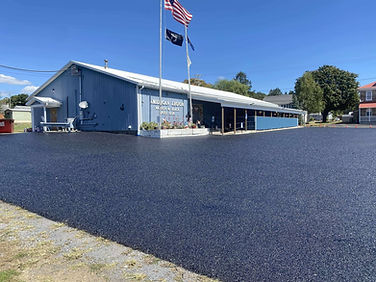
Property owners can usually see the difference between basic sealing and a premium rejuvenating treatment right away. Cove Asphalt Sealing uses an asphalt-based material that produces a deep black, freshly paved sheen. It gives an aging driveway or parking lot a clean, cared-for appearance without making the surface look artificially painted.
That finish has practical value as well. A dark, even surface improves curb appeal at a home and helps a business present a more maintained property to customers, tenants, and visitors. For properties being listed for sale, preparing for an event, or simply overdue for maintenance, the visual improvement can be immediate.
Still, finish should never be the only deciding factor. A coating that looks dark on day one but offers limited penetration is not the same as a material designed to condition and protect aging asphalt. The better choice is the one that combines visible results with meaningful surface preservation.
Preparation Determines the Result
Even premium material needs proper preparation. Dirt, loose debris, and vegetation prevent uniform adhesion and penetration. Cracks also need attention before the sealer is applied, because sealing is not a substitute for crack repair.
A professional asphalt preservation job begins by evaluating the pavement condition. The surface should be cleaned, loose material removed, and cracks addressed as appropriate. Then the rejuvenating sealer can be applied evenly under suitable weather conditions, allowing it time to cure before traffic returns.
Drying and curing time depends on temperature, humidity, shade, and the condition of the asphalt. A driveway that looks ready is not always ready for vehicle traffic, so following the crew's guidance protects the finish during its most vulnerable period. Parking too soon can leave tire marks or reduce the uniform look of the surface.
Residential Driveways and Commercial Lots Have Different Demands
The goal is similar for both settings: preserve usable asphalt before replacement becomes the only realistic option. But the details vary. A residential driveway may be affected most by sun exposure, drainage patterns, snow removal, and daily family vehicles. A commercial lot may face more frequent traffic, turning tires, delivery activity, and greater visibility.
That is why the right timing and preparation depend on the property. A lightly used driveway with minor fading may be an excellent candidate for rejuvenating sealer technology. A busy commercial surface may need closer attention to traffic patterns, heavily worn entrances, and areas where water collects. In either case, a condition-based recommendation is more useful than treating every surface as if it has the same needs.
Central Pennsylvania weather also makes maintenance timing important. Asphalt should be treated during conditions that support proper application and curing, not simply because the calendar says it is time. A local specialist can evaluate whether the pavement is ready and identify repairs that should come first.
A Smarter Long-Term Asphalt Maintenance Decision
Replacing asphalt is a major expense. Preservation cannot make pavement last forever, but it can help extend the useful life of asphalt that is still in maintainable condition. The key is choosing a material that does more than add temporary color.
Rejuvenating sealer technology gives property owners a practical middle ground between doing nothing and waiting for major repairs. It helps defend the surface from the weather and wear that cause pavement to dry, crack, and lose its finished appearance. It also provides the deep black color that makes a driveway or parking lot look cared for again.
If your asphalt is fading, showing early cracking, or losing its once-rich black finish, now is the time to have its condition evaluated. Maintaining sound pavement early is usually the most sensible way to protect curb appeal, control future costs, and keep asphalt looking like it still has years left in it.
Comments