Rejuvenating Sealer vs Slurry Seal Explained
A faded driveway does not always need replacement, but it does need the right kind of protection. In the rejuvenating sealer vs slurry seal decision, the better choice depends on the pavement’s condition, how it is used, and whether the goal is to preserve aging asphalt or cover a more worn surface.
For many central Pennsylvania homeowners and property managers, a premium asphalt-based rejuvenating sealer is the practical choice when asphalt is still structurally sound but has begun to look gray, dry, brittle, or weathered. It is designed to penetrate the surface, restore lost oils and binding compounds, and help defend the pavement against the water, sun, salt, and oxidation that cause asphalt to deteriorate.
Slurry seal can have a place in pavement maintenance, especially on larger, more heavily worn surfaces. But it is a different treatment with different preparation needs, appearance expectations, and costs. Understanding that distinction can help you spend maintenance dollars where they will do the most good.
What Is a Rejuvenating Sealer?
A rejuvenating sealer is an asphalt-preservation treatment made to work with the existing pavement rather than simply sit on top of it. Cove Asphalt Sealing uses a premium asphalt-based material that penetrates aging asphalt and helps replenish compounds that fade away as pavement oxidizes.
Asphalt contains binders that keep the surface flexible and hold aggregate in place. Over time, Pennsylvania sun, rain, snow, freeze-thaw cycles, road salt, and vehicle traffic dry out those binders. The pavement turns from deep black to gray, loses flexibility, and becomes more likely to develop cracks or surface unraveling.
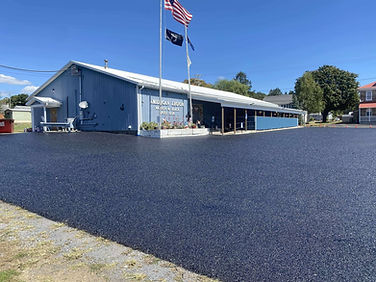
A quality rejuvenating sealer helps slow that process. It improves the color of the driveway or parking area while providing meaningful protection from moisture intrusion, UV exposure, fuel drips, salt, and everyday weathering. The visible result is a deep black finish with a fresh-paved sheen, not the dull black finish or occasional blue, brown, or white hues often associated with ordinary water-based coatings.
This treatment is best suited to asphalt that is still in serviceable condition. Small cracks should be properly addressed first, and areas with major base failure, deep potholes, or widespread breakup need repair before any protective coating can deliver lasting value.
What Is a Slurry Seal?
Slurry seal is a surface treatment generally made from asphalt emulsion, fine aggregate, water, and additives. It is mixed and spread over pavement in a thin layer, creating a new wear surface. Because it contains aggregate, it can improve texture and cover a broader range of surface imperfections than a penetrating sealer.
It is commonly used on roads, larger parking areas, and pavement with noticeable surface wear. The application is more involved than standard driveway sealing and typically requires carefully controlled mixing, surface preparation, and curing conditions.
A slurry seal is not the same as asphalt replacement, and it will not fix structural problems below the surface. If pavement has failed because of poor drainage, a weak base, deep cracking, or severe potholes, a slurry seal may temporarily improve appearance without solving the underlying issue.
For a residential driveway that is aging but intact, slurry seal can also be more treatment than necessary. Its textured finish and application requirements may not match the smooth, clean, freshly paved look many homeowners want from driveway maintenance.
Rejuvenating Sealer vs Slurry Seal: The Key Differences
The central difference is how each treatment works. A rejuvenating sealer is intended to penetrate and preserve the existing asphalt. A slurry seal is intended to create a thin new layer across the surface.
That difference affects appearance. Premium asphalt-based rejuvenating sealer restores a rich black color and fresh paved sheen while allowing the original asphalt texture to remain visible. Slurry seal produces a more textured, aggregate-rich surface. That texture can be useful where surface friction is a priority, but it is not always the preferred look for a well-kept home driveway.
It also affects the right timing. Rejuvenating sealer is most valuable as preventive maintenance. Applying it before oxidation turns into extensive cracking and unraveling helps preserve the pavement you already have. Slurry seal is often considered when surface wear has progressed further, although the asphalt must still have a sound foundation.
Cost is another consideration. The price of either service varies with surface condition, access, preparation, and project size. Still, a penetrating sealer is usually a more straightforward preservation option for sound driveways and maintained parking areas. The best value is not necessarily the treatment with the lowest upfront price. It is the one that fits the pavement’s condition and helps postpone costly repairs or replacement.
Which Treatment Is Right for Your Asphalt?
Choose a rejuvenating sealer when your asphalt has faded, dried out, or lost its rich black color but remains generally stable. It is a strong fit for homeowners who want to protect an existing driveway, improve curb appeal, and reduce exposure to the elements without applying a heavy aggregate layer.
It is also a smart option for commercial property owners whose parking areas are structurally sound but showing signs of oxidation, minor surface wear, or weather exposure. A professionally applied asphalt-based sealer can make the property look more maintained while helping protect a significant capital asset.
Slurry seal may be worth discussing when a surface has more extensive wear, roughness, or shallow deterioration but does not yet require major reconstruction. It can renew a broader surface area, though it should be evaluated carefully. No surface treatment should be used to hide serious pavement failure.
A professional assessment matters because cracks tell a story. Fine surface cracks may be manageable with crack repair and preservation. Larger alligator cracking, sinking, soft spots, and potholes can signal problems beneath the asphalt. Covering those issues without correcting them may improve the appearance briefly, but it will not restore the pavement’s strength.
Why Preventive Sealing Matters in Central Pennsylvania
Central Pennsylvania asphalt works hard through every season. Winter moisture can enter small cracks, freeze, expand, and widen the opening. Spring thaw, summer UV exposure, vehicle traffic, and deicing salt continue the cycle. Once water reaches the base beneath the asphalt, deterioration often accelerates.
That is why waiting until a driveway looks severely worn is rarely the most economical approach. Maintaining asphalt while it is still sound helps keep it flexible, sealed, and easier to manage. A deep black, freshly sealed driveway also gives a home or business an immediate curb-appeal upgrade, but the protection beneath that finish is the real reason to act early.
Property owners throughout Blair County, Bedford County, and Centre County often face the same question: should they coat the surface, restore the asphalt, or wait? The answer depends on the pavement, but waiting is seldom the best preservation strategy. The earlier a suitable treatment is applied, the more existing asphalt there is to protect.
Get the Treatment That Matches Your Pavement
The right choice is not about picking the darkest finish or the most aggressive treatment. It is about matching the material to the condition of your asphalt. For a driveway or parking area that is aging but still structurally sound, a premium asphalt-based rejuvenating sealer can provide a better balance of protection, appearance, and long-term value than an ordinary surface-only coating.
Cove Asphalt Sealing helps residential and commercial customers evaluate their asphalt honestly, address needed preparation, and choose a maintenance approach that makes sense for the surface. A free, no-pressure estimate is a simple way to find out whether your pavement is ready for preservation - before minor weathering turns into expensive damage.
Comments