8 Best Commercial Asphalt Maintenance Tips That Work
A commercial parking area rarely fails all at once. It starts with faded color, loose aggregate near the edges, a few hairline cracks, and puddles that linger after rain. The best commercial asphalt maintenance tips focus on catching those early warning signs before water, oxidation, salt, and traffic turn a manageable issue into an expensive repair.
For central Pennsylvania property owners, prevention matters even more. Freeze-thaw cycles, winter road salt, heavy rain, UV exposure, and daily vehicle traffic all work against asphalt. A thoughtful maintenance plan protects the investment, keeps the property looking cared for, and can delay the much higher cost of major pavement work.
1. Inspect the Surface Before Problems Spread
A regular walk-through is one of the most valuable habits a property manager can build. Inspect the pavement at least twice a year, ideally after winter and again before colder weather returns. Look closely at entrances, loading areas, parking stalls, dumpster pads, drainage points, and the edges of the pavement. These areas often take the most abuse.
Watch for new cracks, crumbling edges, fading, standing water, soft spots, loose stone, and areas where the surface is beginning to unravel. A small crack may seem cosmetic, but it gives water a path into the pavement structure. Once water gets below the surface, freezing temperatures can widen the damage quickly.
Document changes with photos and dates. That simple record helps property owners see whether a crack is stable or actively getting worse, making maintenance decisions less reactive.
2. Keep Water Moving Off the Asphalt
Water is asphalt's most persistent enemy. It can enter through cracks, weaken the base beneath the pavement, and create the conditions for potholes and depressions. Surface protection is valuable, but it cannot compensate for drainage problems that leave water sitting in the same place after every storm.
Keep drains, swales, and pavement edges clear of leaves, sediment, and debris. After a hard rain, walk the lot and note where puddles remain. A shallow puddle that disappears quickly may not require immediate action. Water that consistently stands for a day or more deserves attention because it accelerates surface wear and can point to an underlying low spot.
Also check downspouts and roof runoff near the parking area. Concentrated water flowing onto asphalt can wash away support at the edges and create premature deterioration.
3. Repair Cracks While They Are Still Small
Crack repair is not glamorous, but it is one of the strongest defenses against deeper pavement damage. Once a crack opens, water can work beneath the surface and weaken the material from the inside out. In Pennsylvania, that trapped water expands during freezes and can push cracks wider season after season.
Not every crack requires the same response. Fine surface cracking may signal aging and oxidation, while wider or irregular cracks may need more focused repair before a protective treatment is applied. Areas that move, sink, or show widespread alligator-style cracking can indicate base failure. Those sections should be evaluated honestly rather than simply covered over.
The goal is not to wait until cracks are impossible to ignore. Early repair keeps a smaller issue from becoming a larger disruption for customers, tenants, and employees.
4. Clean Up Fuel, Oil, and Chemical Spills Promptly
Parking areas deal with more than rain and sunlight. Motor oil, fuel, hydraulic fluid, and other vehicle leaks can soften asphalt binders and leave vulnerable spots in the surface. The longer a spill sits, the more likely it is to stain and compromise that area.
Train staff to report spills quickly and use an appropriate absorbent material as soon as practical. Once the material is collected, the affected area should be cleaned according to the product instructions. Avoid using harsh methods that damage the pavement or send contaminants into drains.
A clean surface also makes inspections more useful. When dirt, leaves, and vehicle residue cover the asphalt, early cracks and unraveling are easier to miss.
5. Sweep the Lot and Protect the Edges
Routine sweeping improves appearance, but it is also practical maintenance. Grit, debris, wet leaves, and gravel hold moisture against the pavement and can clog drainage paths. Keep special attention on curb lines, corners, entrances, and low areas where debris naturally collects.
Pavement edges need protection too. Asphalt is more vulnerable where it meets grass, gravel, or unconfined soil because there is less support beyond the edge. Avoid allowing vehicles to routinely drive or park beyond the pavement boundary. If an edge is already breaking apart, address it early before the damage works inward.
For commercial properties, this is especially relevant around delivery areas and overflow parking. A lot can look sound from the center while its perimeter is quietly losing material.
6. Use a Penetrating Asphalt Treatment, Not Just a Surface Coating
One of the best commercial asphalt maintenance tips is choosing the right protective material for the pavement's condition. Ordinary water-based sealers can create a temporary dark appearance, but they primarily sit on top of the asphalt. Their finish may also dry dull or develop blue, brown, or white hues.
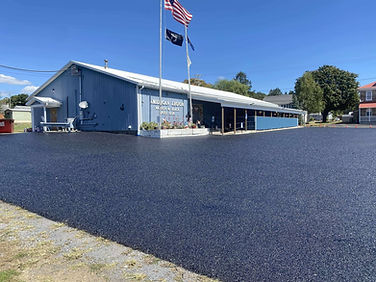
A premium asphalt-based rejuvenating sealer works differently. It is designed to penetrate the asphalt surface, helping restore lost compounds in aging pavement while protecting against oxidation, UV exposure, water intrusion, road salt, fuel spills, and surface unraveling. The result is more than a color change. Properly prepared asphalt receives meaningful surface preservation along with a deep black finish that has a fresh paved sheen.
Timing matters. A protective treatment works best when the pavement is still structurally sound enough to preserve. It will not correct failed base material, major settlement, or widespread structural cracking. Those conditions should be repaired first so the treatment can protect a stable surface.
7. Schedule Maintenance Around Weather and Traffic
Commercial asphalt maintenance should fit the property, not force the property into an unrealistic schedule. The ideal timing depends on traffic levels, pavement condition, weather, and how easily sections can be kept clear while work is completed.
Plan protective service during a dry weather window and avoid waiting until late deterioration limits the options. For a busy retail, office, apartment, or industrial property, work may be staged in sections to reduce disruption. Property managers should also communicate clearly with tenants, employees, and visitors about where to park while the surface is being serviced.
It is usually less costly and less disruptive to schedule preventive care than to respond to potholes, extensive cracking, or customer complaints after the damage has progressed.
8. Build a Long-Term Pavement Budget
The strongest maintenance plans are planned, not improvised. Set aside funds for inspections, crack repair, cleaning, and periodic asphalt rejuvenation instead of treating pavement as an expense only when it becomes visibly damaged. This approach makes costs more predictable and helps extend the useful life of the existing asphalt.
A professional assessment can help prioritize what needs attention now and what can be monitored. That matters when a property has several sections with different traffic loads and different levels of wear. An entrance lane, for example, may need action sooner than a lightly used overflow area.
For commercial property owners across Blair, Bedford, and Centre counties, Cove Asphalt Sealing provides a practical preservation-focused approach: address the small issues, protect sound asphalt with premium penetrating material, and keep the property looking as well maintained as the business it represents. A free, no-pressure estimate can help turn visible wear into a clear maintenance plan before another Pennsylvania winter adds to the damage.
Comments