Homeowner Guide to Driveway Rejuvenation
- Jul 30
- 5 min read
Your driveway does not need to be full of potholes to be losing ground. Asphalt often deteriorates quietly, first turning gray, then becoming dry and brittle as sun, water, road salt, and seasonal temperature swings take their toll. This homeowner guide to driveway rejuvenation explains how to recognize that early wear, what rejuvenation can realistically do, and when protecting your pavement makes more sense than waiting for costly repairs.
For central Pennsylvania homeowners, timing matters. A driveway that still has a sound base and manageable cracking can often benefit from preservation. Once water reaches the base and the pavement begins to sink, break apart, or develop widespread alligator cracking, a sealer alone cannot correct the underlying damage.
What Driveway Rejuvenation Actually Does
Asphalt is more than black stone held together at the surface. Its binder contains oils and compounds that help the pavement stay flexible. Over time, oxidation and ultraviolet exposure draw those compounds out. The result is familiar: faded color, a dry appearance, loose surface grit, and asphalt that is more likely to crack when Pennsylvania weather changes.
Driveway rejuvenation is designed to address that aging process before it becomes structural failure. A quality asphalt-based rejuvenating sealer penetrates the pavement rather than simply sitting on top like a temporary paint layer. It helps restore lost compounds near the surface while forming protection against water intrusion, oxidation, UV exposure, road salt, and occasional automotive fluid spills.
That distinction matters. Ordinary water-based sealers may improve color for a time, but they can leave a dull black finish and may sometimes show blue, brown, or white hues as they wear. A premium asphalt-based material is intended to work with the asphalt itself, producing a richer deep black finish with the fresh paved sheen homeowners expect.
Rejuvenation is not a shortcut for serious damage. It is preventive maintenance for pavement that still has a solid foundation. When used at the right stage, it can slow the cycle of drying, cracking, and surface unraveling that leads toward larger repair bills.
A Homeowner Guide to Driveway Rejuvenation: Is Yours a Candidate?
Walk your driveway on a dry day and look beyond its color. A faded surface alone is not necessarily a problem, but it can be an early sign that the asphalt is oxidizing. The best candidates for rejuvenation usually have stable pavement with minor wear, not major movement or base failure.
Watch for these conditions:
Gray or faded asphalt that has lost its original rich black color
A dry, rough surface where fine aggregate is beginning to show
Small cracks that can be cleaned and properly addressed before sealing
Minor surface wear near tire paths, garage approaches, or drainage areas
Pavement that remains generally level and firm under normal vehicle use
Some issues need repair before any protective treatment is applied. Deep cracks, open joints, sunken areas, potholes, and widespread interconnected cracking allow water to move below the asphalt. Those conditions should be evaluated honestly. Applying sealer over a failing surface may improve appearance briefly, but it will not rebuild a weak base or stop pavement that is already breaking apart.
A professional evaluation should separate cosmetic aging from structural damage. That is how a homeowner avoids paying for a treatment that is not suited to the driveway's actual condition.
Why Central Pennsylvania Weather Speeds Up Asphalt Aging
Central Pennsylvania driveways deal with a demanding mix of weather. Summer sun dries the binder. Rain works into unsealed cracks. Winter freeze-thaw cycles expand trapped water, and deicing salt can add to surface stress. Even a driveway that looks acceptable in spring can be noticeably more brittle after several seasons without protection.
Water is usually the biggest concern. Asphalt is not fully waterproof, especially as it ages. Once moisture gets through cracks and porous areas, it can weaken the material beneath the surface. In winter, that moisture freezes and expands. The visible crack may be small, but the damage below it can grow over time.
Rejuvenating sealer helps reduce exposure at the surface, where the process often starts. It does not eliminate the need for good drainage or crack attention. If downspouts empty onto the driveway or water pools in one area after a storm, resolve those conditions as part of the maintenance plan. Protection works best when water has a path away from the pavement.
The Right Process Matters as Much as the Material
A premium product cannot perform as intended on a poorly prepared driveway. The surface must be clean and dry, with loose debris removed and problem areas assessed before treatment. Cracks that need attention should be handled first so the protective material is not being asked to bridge a significant opening.
Weather also affects the job. Rejuvenating sealer needs appropriate conditions to apply and cure properly. A reputable contractor will consider surface moisture, temperature, forecasted rain, and the driveway's condition rather than treating every day as suitable. That may mean rescheduling when conditions are not right. It is a better trade-off than rushing a job and compromising the finish.
Application should be even, controlled, and thorough, including edges and areas that receive repeated tire traffic. The goal is not to lay down the thickest possible coating. It is to apply the correct amount of a penetrating asphalt-based treatment so the surface receives consistent protection and a clean, freshly paved appearance.
After application, follow the recommended cure time before driving on the driveway. Avoid dragging heavy items across the surface, sharp kickstands, or turning steering wheels while the vehicle is stationary during the early cure period. These simple habits protect the new finish while it sets.
What Results Should Homeowners Expect?
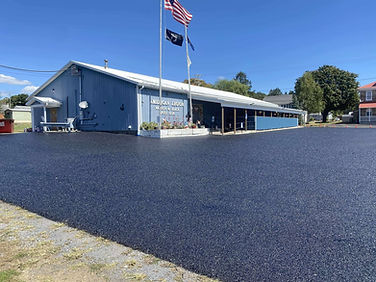
The immediate change is visual. Proper driveway rejuvenation restores a deep black color and fresh paved sheen that can make the entire property look better maintained. For homeowners preparing to sell, hosting family, or simply tired of a faded entrance, that curb appeal is a real benefit.
The more valuable result is protection. A penetrating rejuvenating sealer helps slow oxidation and reduces the surface's exposure to water, sun, salt, and normal wear. It can help an aging driveway hold onto flexibility longer, which supports a longer service life when the pavement is otherwise sound.
Still, expectations should be practical. Rejuvenation will not make old asphalt brand new in every respect. Existing depressions remain depressions. Major cracks need repair, and a weak base remains a weak base. The best outcome comes from treating the driveway before deterioration becomes extensive, then maintaining it on a regular schedule based on traffic, weather exposure, and surface condition.
A lightly used residential driveway in a shaded setting may age differently than a steep driveway exposed to full sun and winter runoff. There is no responsible one-size-fits-all interval. Inspect the surface each year and act when it begins to look dry, faded, or increasingly porous instead of waiting for cracking to spread.
Choosing a Driveway Preservation Specialist
When comparing contractors, ask what material they use and how it works. The answer should be more specific than "it makes it black." Homeowners deserve to know whether a product is a surface-only coating or an asphalt-based treatment formulated to penetrate and rejuvenate aging pavement.
Also ask how cracks and damaged areas are evaluated, what preparation is included, and what finish you should expect. A knowledgeable local specialist will explain when a driveway is a good candidate, when repairs should come first, and why weather conditions affect scheduling. That straightforward guidance is more useful than a low price attached to an ordinary coating.
Cove Asphalt Sealing serves homeowners across central Pennsylvania with premium asphalt preservation focused on long-term protection as well as visible results. A free, no-pressure estimate can help you understand the condition of your driveway and whether rejuvenation is the right next step.
Your driveway is one of the first things people see and one of the hardest-working surfaces on your property. Give it attention while it can still be preserved. Address small issues early, keep water moving away from the pavement, and choose a treatment that protects the asphalt beneath the finish, not just the color on top.
Comments