Does Asphalt Sealing Stop Water From Damaging Pavement?
A Pennsylvania driveway can look fine at the start of winter, then show new cracks, loose aggregate, and fading by spring. Water is usually part of that story. So, does asphalt sealing stop water? A quality asphalt sealing treatment helps greatly by reducing how much water reaches and works into the pavement surface, but it is not a substitute for crack repair, sound drainage, or timely repairs.
For homeowners and property managers, that distinction matters. The right sealer is a preventive maintenance investment that helps protect asphalt from rain, melting snow, freeze-thaw cycles, road salt, and daily wear. It can slow deterioration and preserve a clean, deep-black appearance. It cannot turn damaged asphalt into a waterproof slab.
Does Asphalt Sealing Stop Water From Getting In?
Asphalt sealing helps resist water at the surface. Asphalt pavement contains small voids and becomes more porous as it ages. Sun exposure, oxygen, traffic, and winter weather gradually dry out the asphalt binder that holds the stone together. The surface fades from black to gray, becomes more brittle, and gives water more places to enter.
A premium asphalt-based rejuvenating sealer is designed to penetrate the upper surface rather than simply sit on top as a thin film. That penetration helps restore lost compounds in aging asphalt while tightening and protecting the exposed surface. Rain and snowmelt are more likely to shed off the pavement instead of immediately soaking into its pores.
That is meaningful protection, especially in central Pennsylvania, where repeated freezing and thawing can turn a small moisture issue into a visible crack. But sealing does not permanently stop every drop of water, and it does not seal an open crack by itself. Water can still enter through failed joints, wide cracks, broken edges, low spots, and areas where the base below the asphalt has already weakened.
Why Water Is So Hard on Asphalt
Water causes trouble in more than one way. When it seeps through a worn surface, it can soften or disturb the base beneath the asphalt. A weak base allows pavement to flex under vehicles. Flexing leads to cracking, and cracks invite even more water into the structure.
Winter makes the process worse. Moisture that enters a crack can freeze, expand, and widen the opening. When temperatures rise, the water thaws and works farther into the pavement. Road salt and deicing materials can add to the wear by keeping surfaces wet longer and accelerating the effects of harsh seasonal exposure.
On a driveway, early warning signs often include faded color, fine surface cracking, loose sand-like material, crumbling edges, or puddles that linger after rain. On a parking area, watch for cracking in travel lanes, depressed spots, standing water, and sections that look dry, gray, or rough compared with the rest of the surface.
Sealing is most effective before those small signs become major structural problems. Once water has caused widespread base failure, alligator cracking, potholes, or significant sinking, a sealer cannot correct the underlying damage. Those areas need to be evaluated and repaired before a protective treatment makes sense.
Penetrating Protection Versus Ordinary Surface Coatings
Not every black coating offers the same kind of protection or finish. Many ordinary water-based sealers are primarily surface coatings. They can improve color for a period of time, but they may leave a dull black appearance and can sometimes show blue, brown, or white hues as they weather.
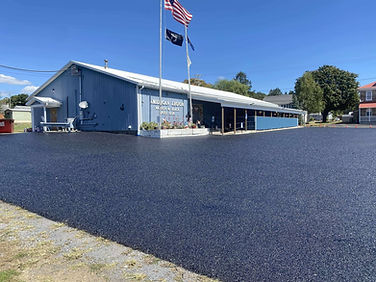
Cove Asphalt Sealing uses a premium asphalt-based rejuvenating sealer selected for more than a temporary color change. It penetrates the pavement surface, helps replenish aging asphalt, and creates a rich, deep-black finish with a fresh-paved sheen. The goal is to make the surface look better while helping it resist the conditions that make asphalt dry out, crack, and unravel.
That difference matters when water protection is the reason for sealing. A product that works into the upper asphalt surface can offer a more meaningful preservation benefit than one that only colors the top. Still, the best material must be applied to pavement that is properly prepared, reasonably sound, and dry enough for the treatment to perform as intended.
What Asphalt Sealing Can and Cannot Do
Asphalt sealing can reduce surface water intrusion, shield asphalt from UV exposure, slow oxidation, improve resistance to road salt and fuel drips, and restore curb appeal. It also makes a well-maintained driveway or parking lot look cared for, which matters to homeowners, customers, tenants, and visitors.
What it cannot do is fix drainage. If a driveway funnels roof runoff toward the garage, if a parking area holds water in a low spot, or if a shoulder has washed away and leaves the pavement edge unsupported, those conditions need separate attention. Applying sealer over standing-water problems may improve the color, but it will not redirect the water or rebuild a damaged base.
It also cannot fill and stabilize every crack. Small surface imperfections may be less noticeable after sealing, but open cracks need appropriate crack treatment first. That work helps prevent water from bypassing the protected surface and moving directly into the pavement structure.
Think of sealing as a protective layer in a complete maintenance plan, not as a repair-all product. The plan works best when cracks are addressed early, drainage is managed, heavy loads are kept off weak edges, and the surface is resealed before it becomes severely dry and brittle.
When Should You Seal for Better Water Protection?
The best time to seal is while the asphalt is still in maintainable condition. A driveway that has begun to fade but remains stable is often an excellent candidate. Waiting until cracks have spread across the pavement or stones are coming loose in large areas usually means water has had more time to do damage below the surface.
Weather and surface conditions affect the job as well. The pavement needs to be cleaned, dry, and prepared correctly. Professional application timing helps the material bond and penetrate properly. A rushed application over moisture, dirt, loose debris, or unrepaired damage will not deliver the same long-term value.
There is no single schedule that fits every property. Sun exposure, vehicle traffic, drainage, snow and salt exposure, and the age of the asphalt all influence when another treatment is needed. A shaded driveway with poor drainage may need attention sooner than a well-drained surface with lighter use. The condition of the pavement should lead the decision, not a calendar alone.
A Practical Water-Protection Check for Your Pavement
After a good rain, take a few minutes to inspect the asphalt. Notice where water drains, where it puddles, and whether the surface darkens unevenly as it absorbs moisture. Look closely at cracks, edges, and areas near downspouts. Those are often the first places where water finds a path below the surface.
If the pavement is dry, faded, and beginning to lose its rich black color, preventive sealing may be the right next step. If there are open cracks or damaged sections, those should be addressed before the protective treatment is applied. Acting while the pavement is still serviceable can help avoid the much higher cost and disruption of letting water-related deterioration continue.
For central Pennsylvania homeowners and commercial property decision-makers, a professional assessment provides a clear answer without guesswork. A premium asphalt-based rejuvenating sealer will not make asphalt invincible, but applied at the right time, it can help water stay where it belongs - on the surface and moving away from your pavement.
Comments