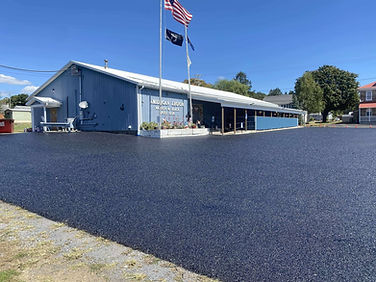
Best Season for Asphalt Sealing in Pennsylvania
A driveway can look fine in early spring, then reveal fading, loose surface particles, and fresh cracking after another Pennsylvania winter. Choosing the best season for asphalt sealing is not just about getting a darker driveway. It is about giving the material the dry, stable conditions it needs to bond properly and protect the asphalt before weather exposure causes more damage.
For most central Pennsylvania properties, late spring through early fall is the ideal sealing window. The exact timing depends on temperature, rainfall, pavement condition, and how much curing time is available. A quality application should be scheduled around the weather, not rushed because the calendar says it is time.
The Best Season for Asphalt Sealing Is Late Spring Through Early Fall
Asphalt sealing performs best when daytime temperatures are consistently warm, the pavement is dry, and the forecast provides enough time for the sealer to cure without rain or cold nights interfering. In central Pennsylvania, those conditions most often arrive from late spring through early fall.
Late spring is a strong choice once winter has fully released its grip. The asphalt has had time to dry after snowmelt and spring rain, and homeowners can address winter wear before intense summer sun further oxidizes the surface. Early fall is equally valuable because it allows property owners to protect pavement before freezing temperatures, snow, road salt, and repeated freeze-thaw cycles return.
Summer can also be an excellent time, particularly when the forecast is dry. The trade-off is that very hot days may require more careful scheduling. Freshly sealed pavement needs to cure properly, and excessively hot pavement can affect how material is applied and how quickly it sets. An experienced asphalt preservation specialist watches both the air temperature and the pavement itself.
Why Dry Weather Matters More Than the Date
A dry driveway or parking area is essential. Moisture can interfere with adhesion and prevent a sealer from performing as intended. That is why a professional crew should not simply apply material after a recent shower, while dew is still present, or when rain is expected too soon after the job.
Pavement may look dry on the surface while moisture remains in cracks, low spots, or shaded areas. This is especially common in wooded parts of Blair, Bedford, and Centre Counties, where a driveway may receive limited sun. Allowing the surface to dry thoroughly gives the application a better chance to penetrate and protect the pavement evenly.
Weather timing also affects convenience. Homeowners should plan to keep vehicles off the driveway during the curing period. Commercial property managers should schedule work when traffic can be redirected or reduced. A little planning prevents tire marks, scuffing, and unnecessary disruption while the surface is setting.
Temperature Creates the Right Conditions for Protection
Warm, steady temperatures help asphalt sealing materials apply and cure correctly. Cold conditions slow drying, while a sharp overnight temperature drop can create problems for a fresh application. Pennsylvania weather can be unpredictable in both spring and fall, so the best appointment is often based on a favorable weather window rather than a specific month.
Asphalt itself also needs to be in suitable condition. If the pavement is frozen, wet, or carrying heavy frost, it is not ready for sealing. Waiting for stable weather is not a delay for its own sake. It is part of protecting the quality of the job and the long-term appearance of the driveway or parking lot.
This is one reason ordinary surface-only coatings can disappoint property owners. They may temporarily darken the pavement, but they do not offer the same asphalt-focused preservation approach as a premium asphalt-based rejuvenating sealer. The right material, applied in the right conditions, helps replenish aging asphalt while creating a deep black finish with a fresh paved sheen.
When Spring Sealing Makes Sense
Spring sealing is a practical choice for asphalt that came through winter looking faded, dry, or worn. Once temperatures are dependable and the driveway has dried, addressing the surface early can help limit further oxidation during the sunny months ahead.
Spring is also when many people notice problems that were hidden by snow, slush, and debris. Small cracks may need attention before sealing, especially if water has worked into them. Sealing over a pavement issue without preparing it properly does not solve the underlying concern. The surface should be cleaned, evaluated, and repaired where needed before preservation work begins.
The main challenge with spring is rainfall. Central Pennsylvania can have wet stretches that make scheduling less predictable. Flexibility matters. It is better to wait for the right dry conditions than to force an application between storms.
Why Early Fall Is Often the Sweet Spot
For many property owners, early fall offers some of the most dependable conditions of the year. Summer heat has eased, humidity may be lower, and pavement still has warmth from the season. It is an ideal opportunity to refresh the appearance of an asphalt surface and add protection before winter weather arrives.
That pre-winter timing matters. Water is one of asphalt's biggest enemies. Once it enters cracks and weak areas, freezing temperatures can expand the problem. Road salt, plow activity, and repeated thawing add more stress. A properly timed sealing service cannot erase structural damage, but it can help protect a sound or moderately weathered surface from the exposure that accelerates deterioration.
Early fall appointments also tend to fill quickly. Homeowners and commercial managers who want their pavement protected before winter should not wait until the first cold snap to start thinking about it.
When You Should Wait Before Sealing
Not every faded driveway is ready for sealing immediately. If asphalt was recently installed, it needs time to cure before any preservation treatment is applied. Fresh pavement must release oils and stabilize, and sealing too early can work against the long-term performance of the surface.
You should also wait if the pavement has widespread alligator cracking, deep potholes, soft spots, or areas that are breaking apart. Those conditions may call for targeted repair before sealing. A preservation treatment works best when it is protecting asphalt that still has a solid foundation, not masking pavement that has already failed.
Heavily shaded driveways may need extra drying time after rain. Likewise, parking areas with oil or fuel spills should be properly cleaned and evaluated before treatment. Preparation is not an optional detail. It is what allows the finished surface to look uniform and receive meaningful protection.
Choosing the Right Sealer Matters in Every Season
The calendar matters, but the material matters just as much. Many property owners have seen water-based sealers leave a flat, dull black appearance that can sometimes show blue, brown, or white hues. That is a different result from an asphalt-based rejuvenating sealer designed to penetrate the pavement rather than sit only on top of it.
Cove Asphalt Sealing uses a premium asphalt-based material that helps restore lost compounds in aging asphalt while defending against oxidation, UV exposure, water intrusion, road salt, fuel spills, and surface unraveling. The result is practical protection paired with the deep black, freshly paved look homeowners and businesses want.
For a residential driveway, that can mean stronger curb appeal and a better chance of avoiding premature deterioration. For a commercial property, it means a cleaner-looking surface that reflects attention to maintenance without pretending a worn-out lot is brand new.
Plan Ahead for the Right Weather Window
If your asphalt is fading from gray to brown, becoming brittle, or showing the first signs of surface wear, do not wait for winter to make the decision for you. Look at the condition of the pavement in late spring or early fall, then schedule when dry weather and suitable temperatures are available.
The best time to act is usually before small surface concerns become costly repairs. A well-timed, professionally applied asphalt preservation treatment gives your driveway or parking area a better opportunity to handle another central Pennsylvania season while looking noticeably better from the day the work is done.
Comments