Asphalt Preservation vs Repaving for Driveways
A driveway can look worn out long before it is worn through. That is why asphalt preservation vs repaving is not simply a choice between making pavement look better and starting over. For many central Pennsylvania property owners, the right decision comes down to the condition beneath the surface, the age of the asphalt, and whether timely protection can stop water and oxidation from turning minor wear into major damage.
Repaving is sometimes necessary. But when the pavement is still structurally sound, preserving it early can extend its useful life, improve curb appeal, and delay one of the largest expenses a property owner can face.
Asphalt Preservation vs Repaving: The Core Difference
Asphalt preservation focuses on protecting pavement that still has a stable foundation and a reasonably intact surface. The goal is to slow the aging process before the driveway or parking lot becomes brittle, cracked, and vulnerable to water damage.
Repaving involves removing and replacing deteriorated asphalt, usually after the existing surface has developed widespread structural problems. It is a bigger project with a much higher cost because the work involves more material, labor, and site preparation.
The key question is not whether your asphalt has faded. Nearly every asphalt surface fades as sunlight, rain, snow, road salt, and vehicle traffic pull oils and protective compounds from the pavement. The question is whether the asphalt still has enough strength to be preserved.
A faded gray driveway with light surface wear may be a strong candidate for preservation. A driveway with deep alligator cracking, sinking sections, drainage failures, or a failing base may be beyond what surface protection can solve.
When Asphalt Preservation Makes Sense
Preservation is most valuable before pavement reaches the point of major failure. Fresh asphalt is flexible and dark because it contains binders that hold the aggregate together. Over time, UV exposure and oxidation make that binder dry out. The surface becomes lighter, more brittle, and more likely to crack or unravel at the edges.
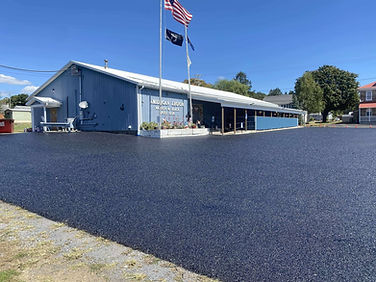
A quality asphalt preservation treatment addresses that early-stage deterioration. Cove Asphalt Sealing uses a premium asphalt-based rejuvenating sealer designed to penetrate the pavement rather than sit on top like an ordinary surface-only coating. This helps restore lost compounds in aging asphalt while creating a deep black finish with a fresh paved sheen.
That difference matters in central Pennsylvania. Freeze-thaw cycles can push water into small cracks, then expand those openings as temperatures change. Road salt, moisture, fuel drips, and summer sun add more stress over time. Protecting a sound surface before water gets below it is usually far more practical than waiting for extensive damage.
Preservation is often the better path when your pavement has fading, minor surface cracking, early oxidation, light raveling, or a dry and weathered appearance. It can also make sense for commercial properties that want a cleaner, better-protected parking area without committing to replacement before it is truly needed.
Signs Repaving May Be the Better Investment
No sealer can rebuild failed asphalt. If the pavement is badly damaged below the surface, applying a preservation treatment may improve the color temporarily but will not correct the underlying problem.
Repaving should be considered when cracking is widespread and interconnected, especially when it resembles an alligator pattern. This often points to weakness in the asphalt layers or the base beneath them. Deep potholes, broad areas of crumbling, sections that sink or hold water, and repeated failures in the same locations are also warning signs.
A driveway that has been neglected for many years may still have isolated areas worth evaluating, but it is not wise to treat preservation as a substitute for structural repair. The best long-term value comes from matching the solution to the pavement's actual condition.
For property owners, that means looking beyond color. A black driveway is attractive, but appearance alone should not decide whether to preserve or replace. Examine the cracks, edges, drainage patterns, and areas where tires regularly travel. A professional assessment can help separate cosmetic aging from deeper failure.
Cost Is Not the Only Comparison
The obvious difference between preservation and repaving is cost. Repaving is a significant capital expense, while preservation is a preventive maintenance service. Yet the more useful comparison is timing.
When asphalt is protected on a regular schedule, it can often remain serviceable longer. That gives homeowners more time before replacement becomes necessary and helps commercial property managers plan larger expenses instead of reacting to sudden pavement failure.
Waiting too long can be expensive because asphalt deterioration tends to accelerate. A small crack admits water. Water weakens the pavement and base. Traffic and winter weather enlarge the damaged area. What could have been a manageable preservation decision can become a replacement decision after several seasons of neglect.
There is still a trade-off. Preservation requires owners to act while the pavement is in decent condition. Repaving may offer a clean reset for pavement that has already failed, but it cannot erase the fact that replacement is usually the more disruptive and costly option.
Why Material Quality Changes the Result
Not all sealing materials perform the same way or leave the same finish. Ordinary water-based sealers are often designed mainly as a surface coating. They can leave a dull black appearance and may show blue, brown, or white hues as they weather.
A premium asphalt-based rejuvenating sealer is different. Its purpose is to penetrate and condition aging asphalt while helping shield the surface from oxidation, UV exposure, water intrusion, salt, fuel spills, and surface unraveling. The result is not just darker pavement. It is asphalt that receives meaningful surface protection along with a richer, freshly paved appearance.
This is especially relevant for homeowners who take pride in their property's curb appeal. A driveway is one of the first large surfaces visitors see. For businesses, a well-maintained parking area supports a more professional first impression without pretending that maintenance can solve structural issues it cannot solve.
How to Decide What Your Pavement Needs
Start with an honest condition check. If the surface is gray, dry, and beginning to show minor wear but remains level and firm, preservation may be the smart next step. If there are cracks, consider their size and pattern. A few small cracks are different from broad networks of broken pavement.
Next, look at water. Puddles that linger, washed-out edges, and areas that sink under vehicle weight point to concerns that go beyond routine protection. These conditions deserve closer evaluation before any sealing treatment is considered.
Finally, consider the pavement's maintenance history. Asphalt that has been protected consistently usually offers more options than asphalt left exposed for years. The best time to preserve pavement is before the surface becomes brittle and damaged, not after it has reached the end of its useful life.
A Practical Plan for Central Pennsylvania Pavement
Central Pennsylvania weather does not give asphalt much of a break. Hot sun, heavy rain, snow, salt, and winter temperature swings all work against an unprotected surface. Homeowners and commercial property decision-makers in Blair, Bedford, Centre, Cambria, Fulton, Mifflin, Somerset, Huntingdon, and Clearfield counties should view asphalt care as a planned investment rather than a last-minute fix.
If the pavement is still sound, professional preservation can help protect the investment you already have. Cove Asphalt Sealing provides a premium option for property owners who want more than a basic coating - stronger protection, a deep black finish, and a practical way to help asphalt last longer.
The right choice is rarely about choosing the cheapest service today. It is about recognizing the condition of your pavement early enough to keep a manageable maintenance decision from becoming a costly replacement project.
Comments