Asphalt Oxidation Repair Guide for Lasting Pavement
A driveway can look worn out long before it is structurally finished. The first signs are usually subtle: black asphalt turns charcoal gray, fine cracks appear near the edges, and the surface feels dry or slightly rough. This asphalt oxidation repair guide explains what those changes mean, what can be repaired, and when professional preservation is the smart move before water and cracking create a larger expense.
Oxidation is not just a cosmetic issue. It is the gradual loss of the oils and binders that give asphalt flexibility. In central Pennsylvania, sunlight, rain, snow, road salt, freeze-thaw cycles, and everyday vehicle traffic all speed up that process. As the pavement dries out, it becomes more brittle and less able to flex with changing temperatures.
What Asphalt Oxidation Looks Like
Fresh asphalt has a dark, rich appearance because its binder still contains the compounds that hold aggregate together and help the surface remain flexible. As those compounds weather away, the pavement fades and begins to lose its protective character.
Look closely at an aging driveway or parking area. Oxidation often shows up as a gray or faded color, a dry appearance, small loose stones, and thin surface cracks that spread into a web pattern. Edges may begin to unravel, especially where water drains off the pavement or tires repeatedly travel close to the side.
A faded surface alone does not always mean the asphalt needs replacement. In many cases, it means the pavement needs attention now. The goal is to restore protection while the base beneath the asphalt remains sound. Waiting until water reaches the underlying layers can turn a preservation project into a major repair decision.
Why Oxidation Leads to Cracks and Water Damage
Asphalt is designed to move slightly. It expands in heat, contracts in cold, and carries the weight of vehicles without immediately breaking apart. Oxidized asphalt loses some of that flexibility. Instead of moving with the weather, the surface is more likely to crack.
Those cracks become entry points for water. Once water gets below the surface, it can weaken the base and worsen during freezing temperatures. Water expands when it freezes, opening cracks wider and contributing to depressions, edge failure, and pothole development over time.
Road salt can add to the problem during Pennsylvania winters. Salt does not cause every pavement issue on its own, but it can keep moisture active on the surface and increase the need for proper protection and drainage. Fuel drips in parking areas and heavy traffic can also wear down an already dry surface faster.
That is why oxidation repair is best treated as preventive maintenance, not a last-minute cover-up. A driveway that is only beginning to fade and crack is generally more economical to preserve than one with widespread structural failure.
Asphalt Oxidation Repair Guide: Start With the Right Diagnosis
The best repair depends on the condition of the pavement beneath the faded top layer. Surface aging can often be addressed successfully with crack repair and a quality rejuvenating sealer. Deep alligator cracking, soft spots, major depressions, or areas that move under vehicle weight may indicate a base problem that surface treatment alone cannot solve.
A practical inspection starts with three questions. Are the cracks narrow and limited, or wide and spreading? Does water drain away from the pavement, or sit in low areas after rain? Is the asphalt surface dry but stable, or is it breaking apart when you touch or sweep it?
Hairline cracks and small open cracks should be cleaned and filled before sealing. Crack filling does not erase every sign of age, but it helps reduce water intrusion where it matters most. The repair should be allowed to set properly before the pavement receives its protective treatment.
If the surface has loose aggregate, shallow raveling, or a few minor worn areas, cleaning and preparation are especially important. Dirt, vegetation, and loose debris prevent repair materials from bonding as intended. A professional will also pay attention to driveway edges, joints near garages, and drainage paths, because these are common places for deterioration to begin.
Choose Rejuvenation, Not Just a Dark Coating
Not every black finish provides the same level of asphalt protection. Ordinary water-based sealers mainly sit on top of the pavement. They can improve appearance for a time, but they do not provide the same restorative approach as a premium asphalt-based rejuvenating sealer that penetrates into the surface.
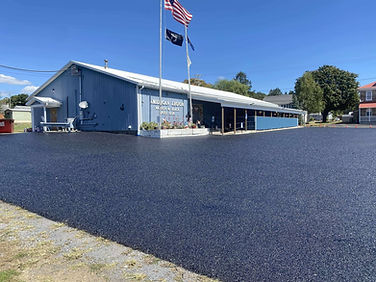
For oxidized but structurally sound asphalt, penetration matters. A quality asphalt-based rejuvenating sealer helps restore lost compounds in aging pavement while forming a protective barrier against UV exposure, moisture, salt, and normal surface wear. The result is more than a temporary color change. It helps the asphalt hold up better while returning the deep black appearance people associate with freshly paved pavement.
Finish is another meaningful difference. Many basic water-based products can dry to a dull black tone and may show blue, brown, or white hues depending on conditions and material. A premium asphalt-based treatment is chosen for a richer, fresh-paved sheen that improves curb appeal without making the driveway look artificially coated.
There is still a limit to what any sealer can do. Rejuvenation is not a repair for failed asphalt, deep structural cracking, or a weak base. It is a preservation treatment for pavement that still has a solid foundation but is showing the predictable effects of weather and age.
A Smart Repair Process for Driveways and Parking Areas
Good results begin well before the sealer is applied. The surface needs to be dry, clean, and properly prepared. Oil spots, loose material, weeds in cracks, and standing water should be addressed because they can interfere with adhesion and leave weak areas exposed.
Next comes crack repair. Cracks are cleaned, filled where appropriate, and checked for signs that they reflect deeper movement in the pavement. This step is often the difference between simply making an asphalt surface look darker and actually reducing the pathways where water can cause more damage.
Once repairs are ready, a premium asphalt-based rejuvenating sealer can be applied evenly across the pavement. Proper coverage matters. Too little material leaves areas underprotected, while poor application can create an uneven appearance. Weather conditions also matter, since moisture and temperature affect cure time and the final result.
After treatment, give the pavement the time it needs before using it. Your contractor can provide guidance based on the material, temperature, sunlight, and current weather. Avoid rushing vehicles back onto a newly treated surface just because it looks dry from a distance.
When Oxidation Repair Is Worth It
The best time to treat oxidized asphalt is before it reaches the point of widespread failure. If your driveway has faded, feels dry, and has a manageable number of cracks, preservation can help extend its useful life and delay more costly work. For commercial property owners, a clean, deep black parking surface also improves the first impression customers get when they arrive.
Timing depends on pavement age, drainage, traffic, tree cover, winter exposure, and past maintenance. A lightly used residential driveway may age differently than a busy commercial entrance. A shaded surface can hold moisture longer, while an open driveway may receive more UV exposure. There is no one calendar date that fits every property, which is why an on-site assessment is more useful than guessing from appearance alone.
Protect Your Asphalt Before Small Problems Spread
Regular inspections are simple, but they pay off. Check your pavement after winter, after heavy rain, and whenever you notice new cracking or fading. Keep drainage routes clear, remove standing water when practical, and address cracks before they become wide openings.
For homeowners and property managers across central Pennsylvania, professional asphalt preservation offers a practical middle ground between doing nothing and facing early replacement. Cove Asphalt Sealing uses a premium asphalt-based rejuvenating sealer designed to protect aging pavement, improve its appearance, and help keep small surface issues from becoming bigger ones.
If your asphalt has lost its deep black color but still has a solid foundation, now is the time to act. A careful inspection and the right preservation treatment can give your driveway or parking area stronger protection, a fresh paved sheen, and a better chance of lasting through the seasons ahead.
Comments